
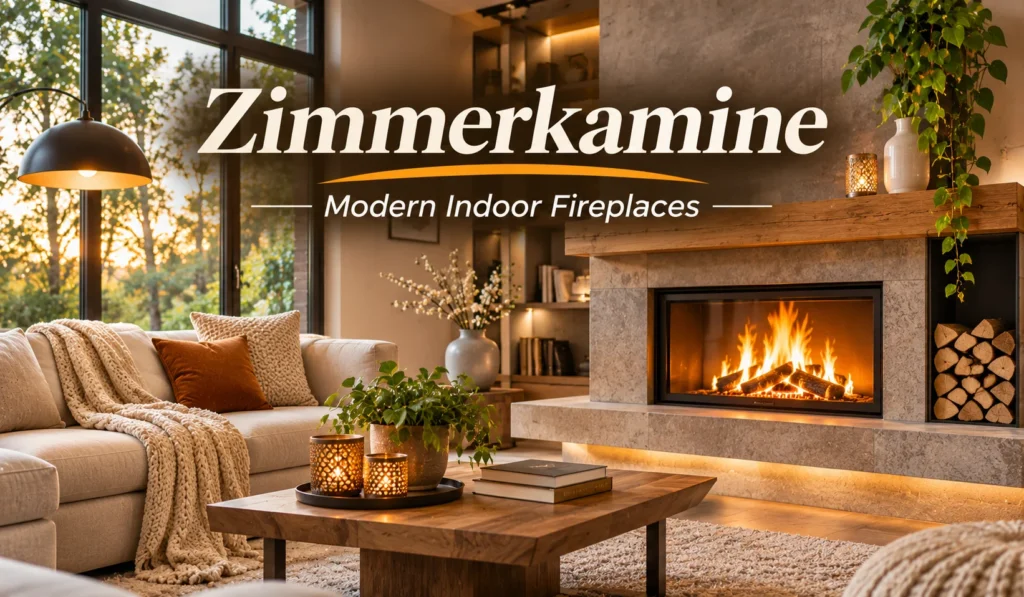
There is something about a fireplace that changes the atmosphere of a room before anyone even notices the temperature. The gentle movement of flames, soft lighting, and sense of comfort can make an ordinary living space feel more welcoming. Yet installing a traditional fireplace is not always practical, especially in apartments, renovated homes, or properties
There is something about a fireplace that changes the atmosphere of a room before anyone even notices the temperature. The gentle movement of flames, soft lighting, and sense of comfort can make an ordinary living space feel more welcoming. Yet installing a traditional fireplace is not always practical, especially in apartments, renovated homes, or properties without an existing chimney.
This is where Zimmerkamine becomes an interesting option. The German term refers to fireplaces designed for indoor rooms and is frequently used in connection with modern electric and bioethanol fireplaces. These products allow homeowners to introduce a fireplace-style focal point without necessarily undertaking the structural work associated with a conventional wood-burning installation.
However, not every Zimmerkamin operates in the same way. Some provide genuine heating, others focus primarily on visual atmosphere, and certain fuel-burning models require precautions that are easy to overlook. Understanding these differences is essential before selecting a fireplace for everyday use.
A German Word That Captures More Than Just a Fireplace
Zimmerkamine is the plural form of Zimmerkamin, combining the German words Zimmer, meaning room, and Kamin, meaning fireplace or chimney.
In everyday usage, the expression broadly refers to room fireplaces. German retailers often use it for decorative electric and bioethanol models designed for residential interiors.
The term does not identify one manufacturer, patented heating system, or specific product.
Instead, it covers different fireplace designs that vary in appearance, installation requirements, fuel sources, and heating capabilities.
This flexibility explains why two products described as Zimmerkamine may function very differently. One might use electricity to create a simulated flame, while another burns ethanol to produce a real fire.
Before comparing designs, homeowners should establish whether they primarily want additional warmth, a decorative feature, or a combination of both.
The Fireplace Experience Without Building a Traditional Chimney
Conventional fireplaces often require a suitable chimney or flue to remove combustion gases safely.
Adding such infrastructure can involve significant construction work, building requirements, and ongoing maintenance.
Modern Zimmerkamine offer alternatives for spaces where traditional installations are impractical.
Electric fireplaces use lighting effects to imitate flames, and many include an integrated heater. Because they do not burn fuel, they do not produce combustion gases.
Bioethanol fireplaces create real flames by burning liquid alcohol fuel. They generally do not require a conventional chimney, but combustion still consumes oxygen and releases substances into the room.
These differences are important.
A fireplace that does not need a chimney is not automatically free from safety requirements. The correct installation and operating conditions depend on the type of technology being used.
Electric Zimmerkamine: Flames That Don’t Need Fire
Electric fireplaces are among the most convenient options for homeowners who want the appearance of a fireplace without managing combustible fuel.
They typically create flame effects using LED lighting, reflective components, or other visual technologies.
Some models include electric heating elements that distribute warmth through the room, while others function primarily as decorative displays.
A major advantage is control.
Users may be able to adjust flame brightness, select different visual settings, or operate the flame display without activating the heater.
This can make an electric Zimmerkamin useful throughout the year, including during warmer months when additional heating is unnecessary.
However, electrical heating capacity varies between products.
A small decorative fireplace should not be assumed capable of heating a large room, and its running cost depends on electricity consumption and local tariffs.
Bioethanol Zimmerkamine: Real Flames With Real Responsibilities
Bioethanol fireplaces appeal to people who prefer an authentic flame rather than an electronic simulation.
They burn ethanol-based fuel in a specially designed burner, producing visible flames without requiring wood or a conventional chimney.
Their appearance can be attractive, particularly in contemporary interiors where a traditional fireplace might feel too bulky.
However, bioethanol combustion is not emission-free.
It consumes oxygen and can release carbon dioxide, water vapor, and potentially harmful indoor pollutants. Appropriate room ventilation is therefore essential.
These fireplaces also present fire and burn hazards.
Fuel must never be added while the burner is operating or remains hot. Ethanol vapors can ignite suddenly, causing dangerous flare-ups.
Bioethanol models should be selected and used according to the manufacturer’s safety instructions and applicable product standards. They are generally better considered decorative fire features than substitutes for a properly designed primary heating system.
Why Wood and Gas Fireplaces Still Belong in the Conversation
Although modern Zimmerkamine are frequently associated with electric and ethanol products, the broader concept of an indoor fireplace also includes wood-burning and gas appliances.
Wood-burning fireplaces offer genuine radiant warmth and the traditional experience of burning logs.
However, they require appropriate ventilation, safe flue arrangements, suitable clearances, and regular maintenance.
Gas fireplaces can provide controlled heat and realistic flames, but their installation must meet relevant gas and ventilation requirements.
Both options generally involve more demanding installation considerations than a typical electric decorative fireplace.
For existing homes, the choice may depend on whether suitable infrastructure is already available.
Professional assessment is especially important when considering any appliance that burns fuel indoors.
The Design Decision That Changes an Entire Room
A Zimmerkamin is often selected as much for appearance as for heating.
Wall-mounted models can create a streamlined visual feature, especially in rooms where floor space is limited.
Freestanding designs offer a more traditional fireplace presence and may suit living areas arranged around a central focal point.
Built-in fireplaces can be incorporated into architectural features or media walls, provided installation clearances and manufacturer requirements are respected.
The surrounding materials also influence the finished appearance.
Stone, metal, glass, and appropriately specified decorative panels create different visual effects.
However, design choices must never override safety. Heat-producing appliances require suitable spacing from combustible materials, and television installations above fireplaces need careful consideration of operating temperatures.
A fireplace should complement the room without introducing unnecessary hazards.
How Much Warmth Can a Zimmerkamin Actually Provide?
The heating performance of a Zimmerkamin depends on its energy source and rated output.
Electric models with integrated heaters commonly offer outputs around 1–2 kW, although individual products vary.
These units can provide supplementary heating in suitable rooms, particularly when doors are closed and insulation is adequate.
Electric resistance heating converts most of the electricity consumed into heat within the room, but this does not automatically make it cheaper than other heating methods.
Bioethanol fireplaces also release heat during combustion, but their output depends on fuel consumption and burner design.
Their ventilation requirements can reduce the practical heating benefit.
Wood and gas appliances may offer greater heating capacity, although efficiency depends on their design, installation, and operating conditions.
The important question is not simply whether a fireplace produces warmth, but whether its output is appropriate for the space and intended purpose.
The Running Cost That Matters After the Purchase
A fireplace’s purchase price is only one part of its overall cost.
Electric Zimmerkamine consume electricity when their heaters operate. A 2 kW heater running for one hour uses approximately 2 kWh of electricity.
The actual cost depends on the applicable energy tariff.
If a fireplace operates only its LED flame display, electricity consumption is generally much lower than when the heater is active.
Bioethanol models require ongoing fuel purchases, and consumption varies according to burner settings and operating time.
Wood-burning appliances involve fuel, maintenance, and chimney-related expenses.
Gas models depend on fuel tariffs and may require periodic professional servicing.
Before choosing a fireplace, homeowners should consider how often they intend to use it and whether heating or decoration is the main priority.
A Fireplace That Fits the Room Instead of Fighting Against It
Room size matters, but it should not be the only consideration.
A fireplace placed in a narrow walkway may create an obstruction, while a poorly positioned heater could distribute warmth unevenly.
Furniture arrangement, available wall space, electrical outlets, ventilation, and the presence of children or pets can all influence suitability.
For an electric model, confirm that the electrical installation can safely support the appliance.
Avoid routing power cables beneath carpets or using unsuitable extension leads.
For combustion-based fireplaces, maintain manufacturer-specified clearances and follow all ventilation and installation instructions.
A fireplace should feel like a natural part of the room rather than an object that requires constant rearrangement of surrounding furniture.
The Safety Details Attractive Product Photos Rarely Explain
Fireplace advertisements often emphasize beautiful interiors, but real-world safety deserves equal attention.
Electric models should have appropriate electrical protections and be kept away from unsuitable coverings or combustible objects.
Combustion-based appliances introduce additional concerns involving ventilation, heat exposure, fuel handling, and potentially dangerous gases.
For households with children or pets, hot surfaces can present particular risks.
Before purchasing Zimmerkamine, consider:
- Whether the appliance is approved for its intended indoor use.
- What ventilation or flue arrangements are required.
- Whether the room provides sufficient installation clearances.
- How hot the exterior surfaces become during operation.
- What maintenance and safety checks the manufacturer specifies.
For wood and gas appliances, appropriate carbon monoxide protection and professional installation are particularly important.
Even when a fireplace is described as decorative, operating it safely remains essential.
What to Examine Before Buying Zimmerkamine
A well-chosen fireplace should match the home’s practical requirements rather than simply looking impressive in photographs.
Start by deciding whether the appliance must heat the room or provide a visual focal point.
Next, consider the available space and any structural restrictions.
An apartment without a chimney may be better suited to an electric fireplace, while a property with suitable existing infrastructure may offer additional possibilities.
Product quality is another important factor.
Look for clear operating instructions, identifiable manufacturer information, relevant safety documentation, and realistic heating specifications.
Warranty terms and the availability of replacement parts may also influence long-term value.
Avoid making a decision based solely on promotional descriptions such as “eco-friendly,” “smokeless,” or “maintenance-free.” Such claims can oversimplify important differences between fireplace technologies.
Common Questions About Zimmerkamine
What does Zimmerkamine mean in English?
Zimmerkamine is a German term meaning room fireplaces or indoor fireplaces. It is the plural form of Zimmerkamin.
Do Zimmerkamine need a chimney?
Not all models do. Electric fireplaces generally do not require chimneys, while bioethanol fireplaces are often designed without conventional flues. Wood and many gas appliances require suitable ventilation or exhaust systems.
Can electric Zimmerkamine heat a room?
Yes, models equipped with heating elements can provide supplementary warmth. Heating effectiveness depends on the appliance’s rated output, room size, insulation, and other conditions.
Are bioethanol fireplaces completely safe indoors?
No combustion appliance is completely risk-free. Bioethanol fireplaces produce real flames and combustion emissions, requiring careful fuel handling, ventilation, and compliance with safety instructions.
Can Zimmerkamine be installed in apartments?
Some electric models are suitable for apartments, subject to electrical safety and property restrictions. Fuel-burning models may face additional requirements or limitations.
Are Zimmerkamine expensive to operate?
Running costs vary according to fuel type, energy prices, appliance output, and usage. Decorative electric flame effects generally use less electricity than integrated electric heaters.
Which Zimmerkamin is easiest to maintain?
Electric decorative fireplaces typically require less routine maintenance than appliances that burn fuel, although they still need appropriate cleaning and electrical care.
The Best Zimmerkamin Is the One That Suits Your Actual Home
Zimmerkamine combine the familiar appeal of a fireplace with a range of technologies suited to different living spaces.
Electric models provide convenient flame effects and optional heating without indoor combustion. Bioethanol designs offer real flames but require considerably more attention to ventilation and fire safety. Traditional wood and gas appliances can deliver substantial warmth when properly installed and maintained.
Choosing between these options involves more than selecting the most attractive design.
The right fireplace should match the room’s dimensions, heating requirements, available infrastructure, household needs, and operating budget.
A thoughtfully selected Zimmerkamin can make a living space feel warmer and more inviting, but lasting comfort comes from balancing appearance, practical performance, and safety rather than relying on visual appeal alone.
For More Visits: Ourmagazine
















Leave a Comment
Your email address will not be published. Required fields are marked with *