
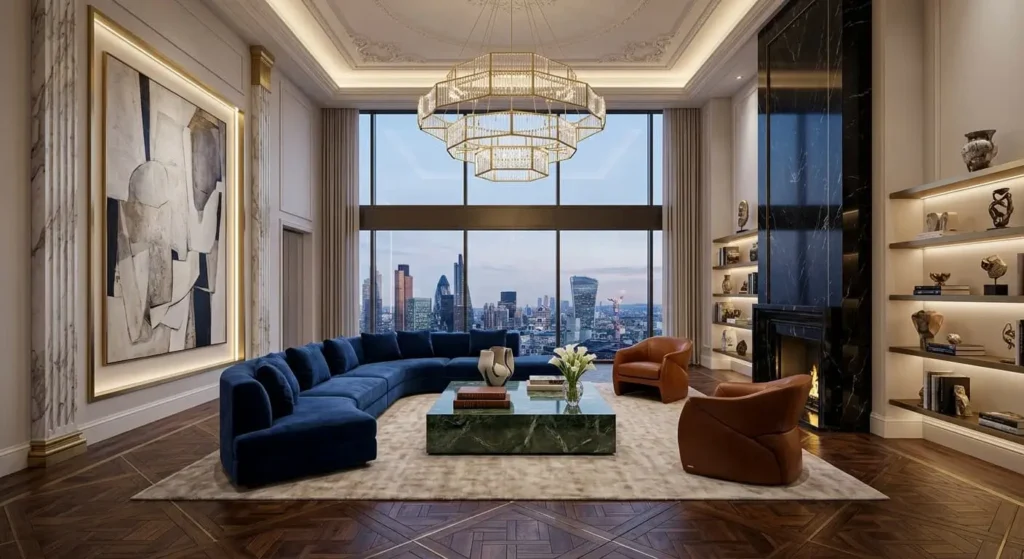
Imagine having a strong idea for an article about luxury interiors. You understand how lighting changes the atmosphere of a room, why natural materials can make a space feel more inviting, and how furniture placement affects everyday living. You may even have written design-related content before. But when you consider approaching LuxuryInteriors.org, one question remains:
Imagine having a strong idea for an article about luxury interiors. You understand how lighting changes the atmosphere of a room, why natural materials can make a space feel more inviting, and how furniture placement affects everyday living. You may even have written design-related content before. But when you consider approaching LuxuryInteriors.org, one question remains: how do you turn your idea into a professional pitch that a publication might want to consider?
Learning how to start writing for luxuryinteriors.org involves more than sending a generic guest-post request. A thoughtful approach begins with understanding the publication’s stated interests, examining the subjects it covers, developing a distinctive article idea, and presenting your writing ability clearly. It also requires knowing which details must be confirmed directly rather than assuming that every website has the same contributor process.
LuxuryInteriors.org describes its interests around architecture, design, décor, and luxury lifestyle. These subjects create several possible directions for writers, from high-end residential interiors and furniture selection to lighting, materials, spatial planning, and sustainable design. However, a relevant subject alone does not guarantee that a publication is accepting contributions or that a proposed article will be commissioned.
This guide explains how to research the publication, identify an original angle, build an interior design writing portfolio, prepare a professional inquiry, and clarify practical publishing terms. The aim is to help new and experienced writers approach the opportunity thoughtfully without making assumptions about official submission requirements or guaranteed outcomes.
What Writers Should Understand Before Approaching LuxuryInteriors.org
Before developing a pitch, a writer needs to understand what kind of publication they are approaching. An architecture magazine, a luxury home décor website, a furniture retailer’s blog, and a general lifestyle publication may all discuss interiors, but their editorial purposes can be very different.
LuxuryInteriors.org describes its focus through several related areas: architecture, design and décor, and luxury lifestyle. Its public About page discusses architectural projects, sophisticated interiors, and lifestyle subjects. This provides a useful starting point for understanding the publication’s stated interests.
It does not, by itself, establish every topic the editors currently want, whether unsolicited submissions are open, or which formats they prefer. Those details should be checked against current official information.
Understand the Different Sides of Luxury Design
Luxury interiors are not defined solely by expensive furniture or prestigious product names. The subject can include architectural proportions, craftsmanship, material quality, natural light, acoustics, spatial planning, custom furnishings, and the relationship between a home and the people who use it.
A writer interested in architecture might examine how ceiling height, window placement, circulation, and the connection between indoor and outdoor areas affect a residence. A furniture-focused writer might explore construction methods, upholstery, ergonomics, or the long-term value of a well-made piece.
An interior styling article could examine how colour, texture, artwork, and lighting work together. A sustainability-focused article might explore responsibly sourced timber, durable materials, restoration, energy-conscious lighting, or the environmental trade-offs involved in renovation.
These subjects overlap, but each calls for a different kind of knowledge. A strong proposal identifies the particular question it will answer rather than presenting luxury design as one enormous topic.
Editorial Writing Is Different From Promotional Copy
A furniture company might want content that encourages customers to buy a specific sofa. An editorial publication may instead be interested in explaining how readers can evaluate upholstery, select furniture for a particular room, or compare different seating arrangements.
Promotional copy typically emphasizes a product, brand, or service. Editorial writing should begin with the reader’s question and provide information that remains useful beyond one commercial transaction.
For example, a proposal titled “Why Our Premium Marble Table Is the Best Choice” is centred on a sales claim. A more editorial concept might explore how marble, quartz, and other surfaces differ in appearance, maintenance, and suitability for different households.
The second idea has room for comparisons, limitations, practical advice, and independent analysis. It can discuss a product category without depending on a single manufacturer’s marketing message.
Check the Publication Before Assuming There Is an Opportunity
A website may publish information about contributors without currently accepting every kind of submission. It may also have a contact address intended for general inquiries rather than a dedicated commissioning editor.
LuxuryInteriors.org has a public About page and a Contact page. These are sensible places to begin researching its identity and available communication channels.
The existence of a contact page makes it possible to ask a question. It does not guarantee that the publication is commissioning outside writers, offering paid assignments, or accepting unsolicited articles.
Approach the site with a specific idea and a willingness to confirm its current process. That is more professional than assuming that a “write for us” search phrase represents an open invitation.
Finding the Right Angle for a Luxury Interiors Article
A broad subject may be interesting, but it is rarely enough to distinguish a useful article proposal. The next step is to turn the subject into a focused question, practical problem, or clearly defined argument.
Consider “luxury living room ideas.” It could lead to an article about furniture, colour palettes, decorative accessories, lighting, flooring, artwork, or dozens of other subjects. Without a sharper focus, the writer may produce a list of familiar suggestions rather than a piece with a clear purpose.
A more developed idea might examine how layered lighting, seating arrangements, and natural materials work together in a living room that needs to support both entertaining and everyday family life. That concept has a specific setting, a design problem, and several useful points to investigate.
Explore Lighting as a Design Decision
Lighting offers an effective example of how a broad subject can become a substantial article.
A writer could examine the relationship between ambient lighting, task lighting, and accent lighting. Instead of simply recommending decorative pendants or expensive lamps, the article could explain how different layers serve different purposes.
For example, a living room may need general illumination for everyday use, focused light for reading, and carefully positioned accent lighting to draw attention to artwork or architectural details. The final arrangement also depends on the room’s dimensions, daylight, ceiling height, furniture layout, and intended use.
A useful article would help readers understand these relationships and consider what to evaluate in their own spaces. It would not merely tell them to purchase more lighting fixtures.
Investigate Materials Beyond Their Appearance
Natural stone, timber, wool, linen, metal, glass, and other materials can influence the visual character and practical performance of an interior.
A possible article could compare the maintenance requirements of several countertop materials. Another might explore how timber finishes, grain patterns, and colour variations affect the atmosphere of a room.
The strongest approach would distinguish appearance from performance. A material that looks beautiful in a photograph may require careful maintenance, have limitations in a high-use setting, or be unsuitable for particular environmental conditions.
Writers should verify technical claims rather than relying on assumptions about durability, water resistance, sustainability, or maintenance.
Balance Luxury With Everyday Living
High-end residential design still needs to support ordinary activities. A beautifully styled home must also accommodate movement, storage, cleaning, comfort, privacy, and the people who use it.
A hypothetical article might examine how a family can maintain an elegant living room without choosing delicate finishes for every surface. The writer could consider washable textiles, durable flooring, furniture proportions, flexible seating, and storage that keeps frequently used objects accessible.
Another concept could address designing a compact apartment with a premium feel. Rather than claiming that every small room can appear enormous, the article could examine visual continuity, appropriate furniture scale, lighting, concealed storage, and the use of reflective surfaces.
These angles make luxury interiors relevant to practical readers without reducing the subject to shopping recommendations.
Connect Sustainability With High-End Design
Sustainability can also provide a focused editorial direction. Potential subjects include extending the life of existing furniture, choosing durable materials, evaluating recycled or reclaimed elements, and considering the maintenance needs of a renovation.
A careful article should avoid treating a material as environmentally preferable simply because it is described as natural, recycled, or premium. Environmental impact can depend on sourcing, processing, transportation, expected lifespan, repairability, and disposal.
A hypothetical proposal could investigate how designers evaluate reclaimed timber for residential interiors. The article might cover visual character, sourcing documentation, condition, preparation, and the practical limitations that need to be considered before installation.
Such an approach offers readers a decision-making framework rather than a collection of fashionable terms.
Explore the Relationship Between Architecture and Interior Styling
Interior styling does not happen independently of architecture. Window placement affects daylight, room proportions influence furniture scale, and circulation routes determine where pieces can be positioned without obstructing movement.
A focused article could examine how to select furniture for a room with unusually high ceilings or how to create visual balance in an open-plan home.
The objective would be to explain the design reasoning behind the choices. Readers should come away understanding why a particular arrangement may work and what factors could change the result in another space.
When developing any of these ideas, ask one simple question: What will readers understand or be able to evaluate after reading this article that they might not have understood before? A clear answer can help turn a general theme into a useful pitch.
How to Prepare Before You Contact the Publication
Once you have a promising topic, research the publication before sending an inquiry. This step reduces the risk of proposing an irrelevant subject, using an outdated contact route, or making claims about editorial policies that have not been confirmed.
Review the Official Website
Begin with the homepage, About page, visible categories, and a selection of recent articles. Look at the subjects represented, the typical depth of coverage, and whether articles lean toward practical advice, design inspiration, product discussion, architecture, or lifestyle.
Pay attention to how the material is organized. A website that publishes room-by-room guides may present information differently from one that focuses on architectural features or interviews with designers.
The purpose is not to imitate existing content. It is to understand the editorial context well enough to identify a useful gap or a fresh angle.
For instance, if the website already contains broad discussions of elegant living rooms, another generic list of luxury living room ideas may add little. A more specific proposal about balancing artwork, lighting, and seating in a room with limited wall space could offer a different perspective.
Check Current Submission Information
Look for official instructions concerning contributions, editorial inquiries, or guest articles. If a dedicated page exists, read it carefully and record the requirements that are actually stated.
If you cannot find clear instructions, do not assume that a writer account, contributor portal, or formal application process exists. Ask through the site’s current official contact route whether it considers outside article proposals and what information it would like to receive.
The LuxuryInteriors.org Contact page is a starting point for a direct inquiry. The contact details and instructions should be checked on the live page before use, because websites can change their communication arrangements.
Separate Confirmed Facts From Assumptions
A writer may encounter online pages claiming that a publication offers specific rates, accepts a particular number of images, or responds within a certain number of days. Those claims should not automatically be treated as current contractual terms.
A useful preparation note can separate three categories:
- Confirmed information: details stated on a current official page or provided directly by the publication.
- Unconfirmed questions: issues such as word count, payment, exclusivity, and image requirements that still need clarification.
- Your own proposal: the article angle, outline, writing samples, and intended reader benefit that you are offering.
This distinction keeps the pitch factual and helps prevent misunderstandings later.
Build a Portfolio That Demonstrates Design Knowledge
An editor considering an unfamiliar writer needs some indication of how that person handles information, develops an argument, and writes for readers. A relevant portfolio can provide that evidence.
You do not necessarily need a long list of published articles to begin. If you are new to interior design writing, one or two well-developed original samples can demonstrate your ability to research a subject and explain it clearly.
What a Strong Sample Should Demonstrate
A useful interior design article usually has a clear purpose. It introduces a specific question, develops a logical explanation, and gives readers enough context to understand the recommendations.
The writing should show that you understand relevant terminology without overwhelming the reader with jargon. Terms such as scale, proportion, circulation, colour temperature, upholstery, joinery, and finish should be used accurately and explained when necessary.
Practical recommendations should also account for limitations. A writer discussing pale upholstery, for example, can explain its visual benefits while acknowledging that fabric choice, household use, cleaning instructions, and maintenance expectations affect suitability.
This balance demonstrates judgment. It is more convincing than describing every design choice as perfect or universally appropriate.
Choose Portfolio Pieces That Show Different Skills
A small portfolio can include samples with different editorial purposes. One might explain a design principle, another could compare materials, and a third could examine a practical planning challenge.
For example:
- A design explainer could show how layered lighting influences the function and atmosphere of a room.
- A comparison article could examine the maintenance considerations associated with different natural and engineered surfaces.
- A practical guide could explore furniture layout in a compact living area.
These are illustrative portfolio ideas, not formal requirements imposed by LuxuryInteriors.org.
Together, samples like these can demonstrate that you know how to move beyond decorative descriptions and provide readers with reasoning, comparisons, and useful context.
Beginners Can Create Original Samples
If you have never been published, create a sample specifically to demonstrate your writing ability. Choose a manageable question, research it using reliable sources, outline the explanation, and revise the draft until it reads naturally.
Do not invent an interior design qualification, claim to have worked on a luxury residence you have never visited, or describe a hypothetical room as a real client project.
You can still write meaningfully about design principles without claiming to be a practising interior designer. Be clear about the nature of your expertise and choose subjects you can research responsibly.
If a subject involves building safety, electrical installations, structural changes, fire performance, or other technical requirements, verify the relevant information through qualified professionals or authoritative documentation.
Present Your Samples Professionally
Your portfolio should be easy to navigate. Use clear titles, concise descriptions, and links that open the intended work without requiring an editor to search for it.
If a sample is unpublished, label it honestly as an original writing sample. If it was published elsewhere, make sure you have permission to share it and understand any exclusivity restrictions that apply.
The purpose is to make evaluating your work straightforward, not to create an elaborate presentation that distracts from the writing itself.
How to Write a Professional Interior Design Pitch
A pitch is a short proposal explaining what you want to write, why the subject is relevant, and how you plan to develop it. It is not the same as a complete article, and it does not need to explain every detail in advance.
A strong interior design content pitch makes the idea easy to understand. It gives the recipient enough information to assess relevance without requiring them to read several pages before discovering the main point.
Begin With a Concise Introduction
Introduce yourself in one or two sentences. Mention relevant experience, subject knowledge, or writing samples that help explain why you are proposing the article.
If you are an experienced designer, describe your actual area of work. If you are a freelance writer who researches interiors, say that instead. If you are a beginner, emphasize your proposed subject and the quality of your samples rather than overstating your experience.
There is no need for a long personal history. The introduction should establish the context for the proposal.
State the Article Idea Clearly
Provide a working title and explain the article’s central argument or question.
A title such as “Creating a More Refined Living Room” is broad. A title such as “How Layered Lighting and Furniture Scale Shape a Refined Living Room” gives the reader a clearer sense of the article’s direction.
The proposal should explain why the topic may interest the publication’s readers. This might involve solving a common design problem, explaining an unfamiliar material, or connecting aesthetics with practical decisions.
Describe the Intended Reader Benefit
Explain what the finished article will help readers understand or evaluate. This is often the most important part of the pitch.
For example, an article comparing natural stone and engineered surfaces could help readers identify which properties matter for a particular use. A piece about small-space design could show how furniture proportions and circulation affect the usability of a room.
Avoid vague promises that the article will be “unique,” “revolutionary,” or “the best guide online.” Explain the value in concrete terms.
Add a Short Outline and Relevant Samples
A brief outline shows how the idea will develop. Three to five main points may be enough to communicate the article’s structure, depending on its complexity.
Include links to relevant writing samples if available. Select samples that demonstrate the skills needed for the proposed piece rather than sending every article you have ever written.
Do not assume the recipient wants a complete draft, a particular number of images, or a specific word count unless current instructions say so. If those details are unclear, ask whether the publication prefers a pitch, an outline, or a finished article.
Sample Message: An Illustrative Contributor Inquiry
The following is an example of a professional inquiry. It is not an official template or a message supplied by LuxuryInteriors.org.
Subject: Article Proposal — Layered Lighting in Luxury Interiors
Hello LuxuryInteriors.org Editorial Team,
I am reaching out to ask whether you are currently considering article proposals from outside contributors.
I would like to propose an article provisionally titled “How Layered Lighting Shapes a More Functional and Refined Living Room.” The piece would explore the roles of ambient, task, and accent lighting, explaining how each contributes to the atmosphere and everyday usability of a residential space.
The article would focus on practical design reasoning, including room layout, natural light, furniture placement, and common planning mistakes. My aim would be to provide readers with useful guidance rather than a product-led list of recommendations.
I can share relevant writing samples here: [insert portfolio link].
If this subject fits your current editorial interests, could you please let me know whether you are open to proposals and whether you have preferred submission guidelines?
Thank you for your time.
Best regards,
[Your Name]
This example works because it identifies the purpose of the message, describes a specific article idea, explains its reader benefit, and asks a direct question. It does not presume that an assignment is available or demand a commitment from the recipient.
What Makes Luxury Interior Design Content Worth Reading?
Luxury design writing can easily become a sequence of adjectives: elegant, stunning, sophisticated, timeless, and exclusive. Such words may describe an impression, but they do not explain why a design works or how a reader can evaluate a similar choice.
Useful writing combines visual understanding with practical reasoning.
Explain the Reason Behind a Design Choice
Instead of saying that a room feels sophisticated because it uses neutral colours, explain how colour relationships, texture, light, contrast, and material finishes contribute to the overall effect.
A room with a restrained palette may still feel flat if every surface has the same texture and visual weight. Carefully chosen variations in fabric, wood, stone, metal, or artwork can create depth without relying on excessive decoration.
The point is not that one palette or style is universally superior. It is that the writer should explain the relationship between the choices and the intended result.
Connect Aesthetics With Function
Good interior design writing should recognize that rooms are used, not simply photographed.
A dining area, for example, needs enough room for people to move around chairs, serve food, and access nearby spaces. A reading corner requires comfortable seating and suitable light. A hallway needs a clear route through the home, even when it contains artwork, storage, or decorative furniture.
A useful article considers these functional requirements alongside appearance. It may also acknowledge trade-offs: a large statement piece can create a strong focal point, but it may overwhelm a small room or obstruct circulation.
Treat Materials With Accuracy
Descriptions of materials should be specific and carefully researched. Timber species, stone finishes, textile construction, and metal treatments can affect appearance and maintenance, but the exact properties vary by product and installation.
Avoid claims such as “all natural stone is indestructible” or “every sustainable material is maintenance-free.” Such statements oversimplify complex subjects.
Where a recommendation depends on manufacturer guidance, installation conditions, or technical specifications, make those limits clear. Readers should be able to distinguish a general design principle from a product-specific claim.
Consider Accessibility and Different Households
Luxury interiors can serve a wide variety of people and living arrangements. A design may need to accommodate children, older adults, guests with mobility requirements, pets, or people who work from home.
An article about a refined bathroom, for example, could discuss the relationship between lighting, storage, surface selection, and safe movement. A piece about a family living room might consider durable fabrics, flexible seating, and convenient storage without assuming that practical features have to undermine visual quality.
Considering different users makes an article more thoughtful and less dependent on one narrow idea of luxury.
Handle Sustainability Without Empty Claims
Sustainable design deserves more than a list of fashionable materials. A credible article can explore durability, repair, reuse, sourcing, maintenance, and the likely lifespan of furniture or finishes.
It should also distinguish between verified product information and broad environmental claims. A recycled material may offer certain advantages, but its overall impact depends on how it is produced, transported, installed, maintained, and eventually disposed of.
The more carefully a writer handles these distinctions, the more useful the resulting article becomes.
Common Mistakes That Can Weaken a Contributor Proposal
A proposal can have a promising subject and still be difficult to evaluate if it is poorly prepared. The following mistakes are worth checking before sending an inquiry.
Sending a Generic Guest-Post Request
A message that only asks, “Do you accept guest posts?” gives little indication of what the writer wants to contribute.
Improve it by including a specific idea and one sentence explaining why the subject could be relevant. If you do not know whether contributions are open, ask that question directly while still providing enough context for the recipient to understand your proposal.
Pitching a Topic That Is Too Broad
A title such as “Everything About Luxury Interiors” does not establish a manageable scope.
Narrow the idea by identifying a particular room, material, design challenge, or reader question. A focused proposal is easier to outline and more likely to produce a coherent article.
Exaggerating Credentials or Experience
Do not describe yourself as an architect, interior designer, or renovation specialist unless the claim accurately reflects your qualifications or professional role.
A writer can demonstrate knowledge through careful research and clear explanations without inventing credentials. If an article requires technical expertise beyond your own, seek appropriate expert input and identify it accurately.
Reusing Existing Content
Copying an article, lightly rewriting a competitor’s work, or submitting the same exclusive piece to multiple publishers can create originality and rights problems.
Develop your own argument, verify the information, and use quotations or references appropriately. If the article draws on a source’s distinctive ideas or data, make the attribution clear where appropriate.
Making Unsupported Technical Claims
Claims about structural safety, electrical work, material performance, fire resistance, or environmental impact need a reliable basis.
Correct this problem by checking authoritative technical information and consulting qualified professionals when needed. If evidence is limited, narrow the claim or explain the uncertainty rather than presenting a guess as fact.
Overloading the Pitch With Promotional Links
A contributor inquiry should focus on the proposed article, not on obtaining links for a business, store, or unrelated website.
If you have relevant samples, include them because they help demonstrate your ability. Any links within the final article should comply with the publisher’s actual policies, which should be confirmed before work is commissioned.
Ignoring Image Rights
Interior design articles often benefit from photography, plans, material images, or illustrations. However, an image found through a search engine is not automatically available for republication.
Use material you own, have permission to use, or can license appropriately. Keep records of permissions and confirm any required credit lines. Do not assume that a designer’s project photographs can be reused merely because they are visible online.
Understanding Editorial Expectations, Links, and Image Rights
Before agreeing to write an article, clarify the practical terms that affect the work. These questions are general publishing considerations, not a statement of LuxuryInteriors.org’s current policies.
Confirm the Scope and Length
Ask what type of piece is being considered, who the intended audience is, and whether the publisher has a preferred length or structure.
Some articles benefit from a concise explanation; others need room for detailed comparisons, expert input, or technical context. The appropriate length depends on the purpose and subject rather than a universal rule.
If an editor provides a brief, use it to understand the assignment and ask for clarification where important details are missing.
Clarify Revisions and Approval
Find out how feedback will be handled and whether substantial changes require further approval. An editor may request revisions to improve clarity, accuracy, structure, or suitability for the publication.
It is useful to understand who makes final editorial decisions and whether the writer will be asked to review major changes before publication. These details should be agreed rather than assumed.
Discuss Attribution and Exclusivity
Ask how your name and any professional credentials will appear. If the article is to be published under your byline, clarify how the author biography will be presented and whether links to your portfolio are permitted.
Exclusivity and republication rights are also important. A publication may request original material, a first-publication arrangement, or broader rights, but the actual terms vary.
Do not promise that an article has never appeared elsewhere unless that is true. Read the agreement carefully before granting rights or agreeing not to republish the work.
Confirm Links and Commercial Disclosures
Editorial links, portfolio links, affiliate links, and sponsored references can be governed by different rules. Ask which types are permitted and whether the publication requires disclosures for commercial relationships.
Do not assume that a guest article automatically includes a backlink, a particular anchor text, or permission to promote a product or service.
The same applies to product mentions. If a brand has supplied an item, paid for coverage, or has another relevant relationship with the writer, applicable disclosure requirements should be considered.
Ask About Compensation Before Committing
Do not assume that a contribution is paid, unpaid, or eligible for a particular rate simply because an online article describes a contributor opportunity.
If compensation matters to you, ask whether the proposed assignment is paid and, if so, clarify the rate, payment schedule, invoicing requirements, currency, and any conditions that apply.
Confirm these terms directly and in writing before beginning substantial work. Avoid relying on unverified rates, informal promises, or claims about guaranteed payment.
Agree on Image Requirements
A design publication may need photographs, illustrations, diagrams, or material examples, but its specific requirements must be confirmed.
Ask whether the writer is expected to provide images, whether the publication has image specifications, and who is responsible for obtaining permissions. Also clarify whether captions, credits, and source information are required.
Good images can support a design article, but they do not replace accurate explanation or justify using material without permission.
A Practical Plan for Your First Submission
The process can be made manageable by dividing it into clear stages. This is a general preparation plan, not a guaranteed LuxuryInteriors.org submission procedure.
Step 1: Research the publication. Read its About page, browse its current articles, and identify the subjects it appears to cover. Record what is confirmed and what remains unclear.
Step 2: Choose one focused idea. Start with a reader question or design challenge. Avoid submitting a long list of loosely related topics without explaining why any one of them deserves an article.
Step 3: Define the reader benefit. Write one or two sentences explaining what the article will help readers understand, compare, plan, or evaluate.
Step 4: Prepare a short outline. Identify the main sections and the information needed to support them. Make sure each section advances the central idea rather than repeating the same advice.
Step 5: Gather relevant samples. Select published work or original samples that demonstrate your ability to explain design concepts clearly. Label unpublished samples honestly.
Step 6: Check the official contact route. Review the current information on the publication’s website. If its submission process is unclear, ask whether it is considering proposals and what format it prefers.
Step 7: Send a concise inquiry. Include your proposed topic, intended reader, brief outline, and relevant samples. Avoid large attachments or unnecessary promotional material unless requested.
Step 8: Keep a record of the exchange. Save your proposal and any response so that you can follow the agreed process and remember which terms remain unresolved.
Step 9: Follow up appropriately. If a response time has been provided, respect it. If no timeframe is stated, allow a reasonable period before sending one brief, polite follow-up. Do not assume that silence means acceptance or that the publication owes a response by a particular date.
Step 10: Confirm terms before writing to an assignment brief. If the editor expresses interest, clarify scope, timing, revisions, rights, compensation, and image expectations before committing to substantial work.
The outcome may be an invitation to develop the idea, a request for a different topic, a decline, or no response. A professional process prepares you for each possibility without treating publication as guaranteed.
What to Do If You Are New to Interior Design Writing
You do not need to begin with an ambitious feature about a famous residence or an advanced technical subject. A beginner can develop writing skills by exploring manageable questions and explaining the answers accurately.
Start with a topic you can research thoroughly. For example, you could examine how furniture scale affects a small living room, how different types of lighting serve different functions, or which maintenance questions readers should ask when comparing common flooring materials.
These topics offer opportunities to practise research, structure, and clear explanation without pretending to have professional design experience you do not possess.
Learn the Language of Design
Build familiarity with concepts such as proportion, visual balance, circulation, material finish, colour temperature, texture, joinery, and spatial zoning.
You do not need to use every technical term in every article. The aim is to understand the concepts well enough to explain them accurately and recognize when a subject needs specialist knowledge.
A useful background resource is Wikipedia’s overview of interior design, which can introduce the wider discipline and related concepts. For detailed technical decisions, follow up with more authoritative professional, educational, manufacturer, or regulatory sources as appropriate.
Practise Turning Observation Into Explanation
When you look at a room, move beyond saying that it is beautiful or luxurious. Ask why its arrangement works.
Consider how the furniture relates to the room’s dimensions, whether the lighting supports different activities, how materials contrast, and whether the circulation paths remain clear. Then identify which observations are matters of taste and which can be explained through design principles or verified facts.
This practice helps develop a more analytical writing style. It also prevents articles from becoming a sequence of personal preferences presented as universal rules.
Be Honest About the Limits of Your Expertise
A writer can discuss design ideas without claiming to be a licensed architect, structural engineer, or professional interior designer. What matters is that the scope of the article matches the writer’s knowledge and research.
When a topic involves structural changes, electrical installation, building codes, fire safety, or other technical requirements, consult qualified professionals and authoritative information. Do not turn an unverified assumption into a practical instruction.
Over time, a portfolio of careful, well-developed articles can show readers and editors how you think, research, and communicate. That is a stronger foundation than exaggerated claims about experience.
Learn From Existing Editorial Work Without Copying It
Reading published design articles can help you recognize different approaches to storytelling, analysis, and practical guidance. Notice how writers introduce a design problem, support their observations, and organize information for the intended audience.
For wider inspiration, explore interior design and lifestyle articles and consider how different publications approach home-related subjects. Use that reading to understand editorial variety, not to reproduce another writer’s structure or distinctive wording.
Your goal is to develop your own perspective and a clear writing voice while maintaining accuracy and respecting the rights of other creators.
Frequently Asked Questions About Writing for LuxuryInteriors.org
1. How can I start writing for LuxuryInteriors.org?
Begin by reviewing the website’s About page and current articles, then develop a focused interior design idea that fits its stated interests. Prepare a concise pitch and relevant writing samples, and use the current official contact information to ask whether proposals are being considered. Confirm the submission process before assuming an assignment is available.
2. Does LuxuryInteriors.org accept guest posts?
The website has public information about its editorial interests and a Contact page, but you should confirm its current contributor policy directly. Do not assume that unsolicited guest posts are accepted, that a contributor account exists, or that a proposal will be approved without explicit confirmation.
3. What topics are suitable for luxury interior design articles?
Potential subjects include layered lighting, furniture selection, material comparisons, residential architecture, spatial planning, sustainable interiors, storage, and the balance between visual elegance and everyday use. A strong topic should have a clear focus and offer readers something more useful than a general list of expensive products.
4. Do I need professional interior design experience to write about interiors?
Not necessarily. Writers can produce useful educational articles by researching design principles carefully and explaining them accurately. However, you should represent your qualifications honestly and seek expert input when a subject requires technical knowledge or professional judgment.
5. How can I build an interior design writing portfolio?
Prepare one or two original, polished samples that demonstrate research, clear structure, accurate terminology, and practical reasoning. You can include a design explainer, a materials comparison, or a focused guide to a common room-planning challenge. Clearly identify unpublished samples and never claim hypothetical projects as real client work.
6. What should an interior design article pitch include?
A useful pitch typically includes a brief introduction, a proposed title, the central idea, the intended audience, the reader benefit, a short outline, and relevant writing samples. These are general recommendations; if the publication supplies specific instructions, follow those instructions instead.
7. How long should a contributor proposal be?
There is no universal length that applies to every publication. A pitch should be long enough to explain the article’s purpose and value but short enough to evaluate quickly. If LuxuryInteriors.org provides a preferred format or length, use it. Otherwise, ask whether the editorial team wants a short pitch, outline, or full draft.
8. Can I include links in an interior design guest post?
That depends on the publication’s current link and editorial policies. Do not assume that a contributor article automatically permits promotional links, affiliate links, or a backlink to your website. Confirm what is allowed before including links in a proposed or commissioned article.
9. Should I confirm publication and payment terms before submitting?
Yes, particularly before completing a commissioned assignment or granting publication rights. Clarify whether the work is paid, how compensation is calculated, when payment is due, what rights are requested, and how revisions and image permissions will be handled. These terms should be confirmed directly rather than inferred from unverified online claims.
10. What should I do if I cannot find official submission guidelines?
Review the current Contact page and send a concise inquiry asking whether outside proposals are being considered and what information the publication would like to receive. Include a relevant article idea and a sample link if appropriate. Do not assume that the absence of public guidelines means submissions are automatically open.
Turn Your Design Idea Into a Professional Proposal
Learning how to start writing for LuxuryInteriors.org begins with a clear understanding of the publication’s stated interests and a realistic view of what remains to be confirmed. Its public description points toward architecture, design, décor, and luxury lifestyle, giving writers several potential directions for relevant article ideas.
The next step is to choose a subject that solves a genuine reader problem, develop a clear outline, and demonstrate your ability through original writing samples. Strong interior design content explains the reasoning behind design decisions, considers practical limitations, and handles technical claims responsibly. A professional pitch then communicates that value without exaggerating credentials or assuming that an opportunity is guaranteed.
Before committing to a submission, check the website’s current instructions and confirm any important details about editorial scope, revisions, image rights, links, exclusivity, and compensation. If the process is unclear, ask directly rather than relying on assumptions.
Start with one focused idea, make its value easy to understand, and present your work honestly. That gives you a professional foundation for approaching LuxuryInteriors.org—and for developing your broader career in interior design writing.
For More Visits: Ourmagazine

















Leave a Comment
Your email address will not be published. Required fields are marked with *