
The search phrase arts crafts thunderonthegulf brings together two appealing ideas: the excitement associated with Thunder on the Gulf and the creativity of coastal-inspired art. Someone searching for this topic may want to discover handmade products, family craft projects, beach-themed decorations, or information about whether arts and crafts are included in an event. Thunder on
The search phrase arts crafts thunderonthegulf brings together two appealing ideas: the excitement associated with Thunder on the Gulf and the creativity of coastal-inspired art. Someone searching for this topic may want to discover handmade products, family craft projects, beach-themed decorations, or information about whether arts and crafts are included in an event.
Thunder on the Gulf is associated with offshore powerboat racing on Alabama’s Gulf Coast. However, the phrase “Arts Crafts ThunderOnTheGulf” should not automatically be treated as the verified name of an official craft festival. A dedicated arts-and-crafts programme, craft stalls, workshops, and children’s activities should only be described as official when their availability has been confirmed.
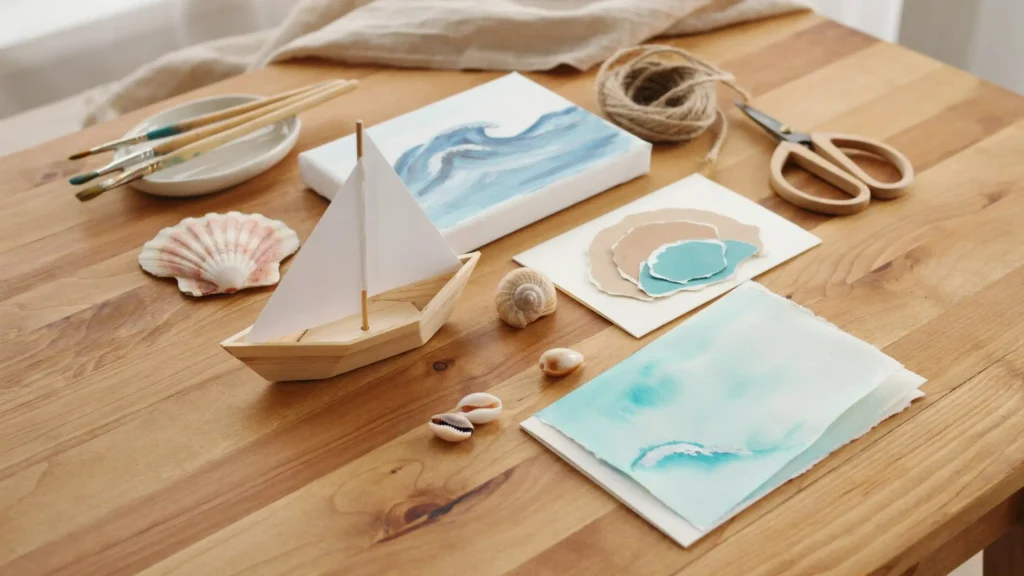
That distinction does not make the topic any less interesting. Coastal scenery offers plenty of inspiration for handmade art, from wave-patterned paintings and shell-inspired decorations to paper boats and personalised keepsakes. These projects can be prepared at home, enjoyed during a family craft session, or used to celebrate a Gulf Coast visit without assuming they are part of an official event programme.
This guide explores the connection between arts and crafts and Thunder on the Gulf, practical beach-inspired projects, family-friendly activities, materials and budgets, and ways to verify event details before making plans.
| Fact | Details |
|---|---|
| Search topic | Arts Crafts ThunderOnTheGulf |
| Event association | Thunder on the Gulf is associated with offshore powerboat racing |
| General location | Alabama’s Gulf Coast, including the Orange Beach area |
| Official craft programme | A dedicated programme under the exact name “Arts Crafts ThunderOnTheGulf” has not been independently confirmed for a specific edition |
| Coastal art connection | Waves, boats, marine life, shoreline textures, and beach-inspired colours can provide creative inspiration |
| Suitable craft ideas | Paper boats, painted coastal scenes, shell-inspired collages, handmade cards, and personalised keepsakes |
| Family suitability | Many projects can be adapted for different ages with appropriate materials and supervision |
| Event schedule | Current dates and activities should be checked before travel |
| Craft vendors and workshops | Availability, locations, fees, and registration requirements require confirmation |
| Preparation | Select a project, gather supplies, set a budget, and plan for safety and cleanup |
What Does Arts Crafts ThunderOnTheGulf Mean?
The phrase combines an event-related name with a broad interest in artistic activities. It may reflect a search for coastal crafts, handmade products, family activities, or an arts programme someone believes is connected with Thunder on the Gulf.
Search phrases do not always correspond to formal event names. People often combine a destination, attraction, or festival with another subject they want to explore. In this case, the keyword can be understood through three related possibilities.
Thunder on the Gulf as an event-related search
Thunder on the Gulf is associated with offshore powerboat racing. People researching the event may want information about racing, travel arrangements, the surrounding Gulf Coast area, or other things to enjoy during a visit.
Arts and crafts may be an additional interest for those visitors, but that interest does not prove that a particular craft fair or workshop is included in the event.
Arts and crafts as a creative theme
The second interpretation is broader. Readers may simply want art projects inspired by the Gulf Coast, such as painted waves, nautical decorations, miniature boats, coastal colour palettes, or handmade souvenirs.
These activities are easy to explore independently. They can be part of a weekend project, a classroom exercise, a family afternoon, or a personal collection of travel memories.
A possible official craft programme
The third possibility is that a reader expects to find an official arts-and-crafts area associated with a particular edition of Thunder on the Gulf.
This requires careful checking. A reliable announcement should identify the event, the organiser, the relevant dates, and the actual activity or vendor information. Without that confirmation, it would be misleading to promise craft stalls, artist demonstrations, scheduled workshops, or children’s craft stations.
The most useful approach is to provide practical creative inspiration while explaining how readers can verify any event-specific offering.
The Connection Between Coastal Settings and Handmade Art
Coastal environments offer a rich source of visual ideas. The changing colour of the water, the patterns made by waves, the shapes of boats, and the contrast between pale sand and darker wood all provide material for artists and hobbyists.
A coastal-inspired craft does not need to use objects collected directly from a beach. Paper, fabric, paint, recycled packaging, cardboard, and air-dry clay can reproduce many of the same colours and textures. This approach is especially practical for families who want to create something at home or avoid removing natural objects from the shoreline.
Colours inspired by the Gulf
A coastal palette can be built around sea blue, turquoise, pale aqua, sand beige, soft white, and driftwood brown. Dark navy and storm grey add contrast, while a small amount of coral or sunset orange can create a focal point.
These colours work well for painted signs, greeting cards, canvas art, fabric decorations, and paper collages. Using three or four main colours usually produces a more coordinated result than adding every available shade.
For example, a painting might combine pale aqua in the background with deep blue waves and white highlights. A handmade card could use sandy beige paper with a small blue sailboat. Both designs communicate a coastal theme without requiring complicated techniques.
Shapes and textures from the shoreline
Waves, curved horizons, overlapping ripples, shells, seabirds, and sailboat silhouettes are recognisable coastal motifs. Even abstract patterns can communicate a beach-inspired style when they use a suitable combination of colours and textures.
Torn paper can represent moving water, corrugated cardboard can create a layered shoreline, and textured paint can suggest sand. The objective is not to reproduce a beach perfectly. It is to use visual details to communicate a sense of place.
Art as a way to preserve memories
A handmade object can serve as a reminder of a trip, a family day, or a personal interest in coastal environments. A small painted canvas may capture the colours of a sunset, while a decorated frame can hold a photograph from a holiday.
These keepsakes can be made before or after a visit. They do not require a formal event activity, and they can be personalised with a date or location once that information is known to be accurate.
Beach-Inspired Crafts to Try at Home
The following ideas are general DIY suggestions inspired by coastal colours and materials. They are not confirmed Thunder on the Gulf event activities. Each project can be prepared at home with common supplies and adapted to different ages and skill levels.
1. Coastal wave canvas
A small canvas featuring layered blue and white wave shapes is a straightforward introduction to coastal art. It works as wall decor, a handmade gift, or a personal keepsake.
Materials needed:
- A small canvas or thick paper
- Acrylic paints in blue, white, and turquoise
- Paintbrushes
- A pencil
- A water container
- A protective covering for the work surface
How to make it: Paint a pale background and allow it to dry. Sketch two or three flowing lines across the canvas. Fill the lower sections with different shades of blue, using white highlights to suggest foam or sunlight. Keep the shapes loose rather than attempting to paint realistic water.
Let the finished work dry completely before displaying it. For younger children, replace the canvas with thick paper and use washable paints. Adults should supervise paint use and keep brushes and water containers away from very young children.
Difficulty: Beginner.
Estimated time: 30–60 minutes, plus drying time.
2. Paper sailboats
Paper sailboats are inexpensive, require little preparation, and can introduce children to folding, shapes, colour combinations, and simple boat designs.
Materials needed:
- Coloured paper
- Crayons or markers
- A glue stick, if needed
- Blunt-ended scissors for supervised cutting
How to make it: Fold a sheet of paper into a simple boat shape using an age-appropriate folding pattern. Decorate the sail with stripes, wave patterns, or a made-up boat name. Place the boat on a blue paper background to create a small coastal scene.
Paper boats are best treated as decorations unless the paper and construction are suitable for water. Do not let children use them near deep water, pools, or open shorelines without appropriate adult supervision.
Difficulty: Easy.
Estimated time: 10–20 minutes.
3. Shell-inspired paper collage
A paper collage can recreate shell shapes without requiring real shells. It is useful for school projects, greeting cards, and low-mess family activities.
Materials needed:
- Cardstock
- Scrap paper in coastal colours
- A glue stick
- A pencil
- Child-safe scissors
How to make it: Draw several shell-like shapes on paper in different sizes. Cut them out and arrange them over a blue or sandy-coloured background. Layer smaller shapes over larger ones to create texture. Add curved lines with a marker to suggest shell ridges, then write a short message if the collage is intended as a card.
This project is particularly suitable for group sessions because the shapes can be prepared in advance. For very young children, an adult can do the cutting while children choose colours and arrange the pieces.
Difficulty: Beginner.
Estimated time: 20–40 minutes.
4. Coastal keepsake frame
A plain picture frame can be transformed into a personalised display for a family photograph, travel picture, or coastal illustration.
Materials needed:
- An unfinished wooden or recycled frame
- Acrylic paint
- Paintbrush
- Craft glue
- Optional cotton cord or paper decorations
How to make it: Paint the frame in a light coastal colour. After it dries, add small painted wave patterns or attach paper shapes around the border. Keep decorations away from the glass and the frame’s opening mechanism. Finish by inserting a photograph or illustration.
Avoid collecting live shells or damaging natural habitats for decoration. Paper shapes, commercially available craft pieces, or responsibly sourced materials can achieve the same visual effect.
Difficulty: Easy to moderate.
Estimated time: 30–45 minutes, plus drying time.
5. Handmade coastal greeting cards
Greeting cards are practical projects for almost any age. They can be made to celebrate a holiday, thank a host, or preserve a memory of a coastal trip.
Use folded cardstock, coloured paper, markers, and glue. Draw a horizon line, add a small boat or sun, and use torn paper to create waves. A short message inside the card gives it a personal purpose.
For a more refined finish, keep the front design simple and use a consistent colour palette. Children can create playful versions with stickers and larger shapes, while older makers can experiment with layered paper, lettering, and carefully arranged patterns.
Difficulty: Easy.
Estimated time: 15–30 minutes.
6. Painted stones and pebble-inspired decorations
Smooth stones and pebble shapes can inspire small decorative art projects. If collecting stones is not permitted or appropriate at a particular location, use clean craft stones, air-dry clay, or cardboard cut-outs instead.
Paint simple waves, abstract lines, small boats, or geometric patterns on the prepared surface. Allow the paint to dry before adding another layer. If the finished object will be displayed outdoors, choose a suitable protective finish and follow the product’s instructions.
Small stones can present a choking hazard, so this activity is not suitable for unsupervised toddlers. Keep painted objects away from food-preparation surfaces and do not use them as toys for children who may put small items in their mouths.
Difficulty: Beginner.
Estimated time: 20–40 minutes, excluding drying time.
Family-Friendly Creative Activities for Different Ages
A successful family craft session does not have to involve an elaborate project. The best activity is one that matches participants’ ages, interests, attention spans, and available materials.
Crafts for preschool-age children
Very young children generally benefit from simple tasks that involve choosing colours, sticking large shapes, making broad brush marks, or arranging prepared materials.
Good options include a large paper ocean scene, a sponge-painted sunset, a sailboat collage with pre-cut shapes, or a wave picture made from strips of blue paper. These projects allow children to make choices without relying on precise cutting or complicated instructions.
Use non-toxic, age-appropriate supplies and supervise children throughout the activity. Avoid small decorative pieces, sharp tools, hot glue guns, and materials with loose parts that could be swallowed.
Projects for school-age children
Older children may enjoy projects that involve a few stages and allow more individual design choices. They can draw their own boat shapes, plan a colour palette, create a paper lighthouse, or assemble a coastal scene from recycled cardboard.
A useful way to make the activity educational is to discuss the shapes and patterns found in the natural environment. Children can compare calm-water colours with stormy-water colours or observe how the horizon changes the composition of a painting.
Adults should still supervise scissors, adhesives, and any finishing products. Encourage children to use their own ideas rather than expecting every finished craft to look identical.
Activities for teenagers and adults
Older participants may prefer projects that combine design with a practical outcome. Examples include hand-painted tote bags, personalised notebooks, fabric banners, decorated storage boxes, small mixed-media panels, or handmade photo albums.
These projects can involve more detailed work, but complexity should be added gradually. Begin with a clear design and a limited number of materials, then introduce advanced techniques only if the maker is comfortable using them.
For group sessions, offer a few project options rather than requiring everyone to make the same item. This keeps the activity inclusive for beginners and more experienced crafters alike.
DIY Decorations and Handmade Keepsakes
Coastal decorations can bring the atmosphere of a shoreline into a room without relying on souvenirs bought during a trip. The most effective designs often use a small number of materials and a clear visual theme.
A handmade coastal banner
A simple banner can be made from cardstock, felt, or reusable fabric scraps. Cut a series of matching triangles or rectangles, decorate each piece with a wave, sun, shell outline, or boat silhouette, and attach them to a length of ribbon or cotton cord.
For an indoor display, paper is often sufficient. If the banner is intended for outdoor use, select weather-appropriate materials and secure it safely. Do not hang decorations where they could obstruct walkways, interfere with equipment, or become loose in strong wind.
A personalised travel journal
A decorated notebook can be both a craft and a useful travel accessory. Cover a plain notebook with blue paper, add a hand-drawn shoreline, and label the first page with the trip’s actual date and destination.
Inside, leave space for notes, sketches, photographs, or ticket stubs. A journal is particularly useful for families because each person can record a different detail from the day.
If the project is prepared before a visit, leave the date and location blank until the plans are confirmed. This avoids turning a creative item into a record of an event that may not have taken place as expected.
A recycled-cardboard coastal display
Clean packaging cardboard can be cut into simple shapes to create a layered scene. Use one piece as the background, another as the shoreline, and smaller pieces for boats or buildings. Paint or cover each layer before attaching it.
The technique works well for a tabletop display, a school project, or a family craft afternoon. Reusing cardboard also makes it easier to experiment with different arrangements without purchasing specialised materials.
Use adult assistance for cutting thick cardboard, and keep craft knives away from children. A blunt pencil or pre-cut template is usually sufficient for the planning stage.
Planning a Craft Session: Materials, Tools, and Budget
Whether you are preparing for a family afternoon or creating decorations before a coastal trip, a little preparation can make the process easier. A practical craft session starts with the finished object, the available time, and the people who will participate.
Choose a project before buying supplies
Start by deciding what you want to make. A greeting card, for example, needs only cardstock, markers, and adhesive. A painted frame may require a frame, brushes, paint, and extra drying time. A multi-layer collage may use inexpensive materials but require more preparation.
Choosing the project first prevents unnecessary purchases and helps you estimate how long the activity will take. If several people are participating, choose something that can be completed in stages so that no one has to wait too long for materials.
Build a reusable craft kit
A small supply box can support many different coastal projects. Consider keeping the following basics together:
- Coloured paper and cardstock for cards, collages, and boat designs.
- Washable paints, a few brushes, pencils, and markers.
- Child-safe scissors, a ruler, and a cutting mat for supervised use.
- Glue sticks, craft glue, masking tape, and reusable string.
- Recycled cardboard, clean packaging, and spare fabric pieces.
- A protective table covering, wipes, and a container for scraps.
Specialist items can be purchased only when a particular project requires them. There is no need to buy resin, power tools, glass-cutting equipment, or other advanced supplies for basic beach-inspired crafts.
Set a realistic budget
Costs depend on the project, the quality of materials, and what is already available at home. Recycled paper and cardboard may reduce spending considerably, while a canvas, frame, or specialised finish will add to the total.
For a budget-friendly session, use one main project per person and share communal supplies such as paint, brushes, and glue. Keep a small allowance for replacement materials, especially when working with children. If a project needs a special product, check its instructions and suitability before buying it.
Avoid quoting a single fixed cost for all Thunder on the Gulf craft activities. No verified official craft programme or price list has been established here, so actual event-related costs would depend on the activity and organiser, if any are offered.
Prepare for drying, transport, and cleanup
Some projects can be finished in a few minutes, while others need several hours for paint or adhesive to dry. Plan the order of tasks accordingly. Painting should happen early enough to allow drying, while decorating and writing can be saved for the final stage.
If the craft will be transported, use a flat box or folder for paper art and a protective container for more delicate items. Keep wet paint, sharp tools, and adhesives separate from food and personal belongings.
A cleanup plan also helps. Put scrap paper in a designated container, close paint and glue after use, wipe the work surface, and wash hands when finished. Follow local waste rules rather than leaving materials behind at a beach, public park, or event venue.
How to Verify Official Arts and Crafts at Thunder on the Gulf
This is one of the most important parts of researching arts crafts thunderonthegulf. Creative ideas can be useful even when no official workshop exists, but readers planning a trip need reliable event information.
Look for a current official announcement
Begin with the organiser or official event website associated with the specific edition you intend to attend. Check whether its current information mentions an arts-and-crafts programme, artist market, maker stalls, family activity area, or scheduled demonstration.
An announcement should make clear what is being offered and when. If it identifies a separate organiser for the craft portion, look for confirmation from that organiser as well.
A general article about coastal crafts is not equivalent to a published schedule. Likewise, an old event listing may describe a past edition and should not be treated as confirmation of current activities.
Check the details, not just the headline
If a page claims there will be workshops or craft vendors, look for specific details such as the date, location, registration requirements, participant age limits, fees, and any materials participants need to bring.
If the details are missing, contact the event organiser through a verified contact channel. Ask a direct question: Will there be officially organised arts-and-crafts activities at the event, and where can I find the confirmed schedule?
Keep any response with your planning notes, but avoid treating an unverified social media post or an unrelated website as definitive proof.
Distinguish related events from the main event
A coastal destination may host several activities throughout the year. An arts festival, market, community workshop, or family programme in the same general area is not automatically part of Thunder on the Gulf.
Before purchasing tickets or arranging travel, verify the name and location of each activity separately. This is particularly important when a search result uses broad phrases such as “Gulf Coast crafts” or “arts and crafts near Thunder on the Gulf.”
If a separate arts event fits your plans, it may still be worth visiting. The key is to describe it accurately as a separate event unless an official source confirms that it forms part of the main programme.
Keep a record of confirmed information
Once you find a reliable listing, note the date it was published, the event edition it refers to, the location, and any booking instructions. Recheck the information before leaving, since outdoor events can be affected by weather or other changes.
If no official craft programme can be verified, plan a separate creative activity rather than building your entire visit around an unconfirmed workshop.
Enjoying Creative Activities Without an Official Craft Programme
You do not need an organised workshop to make art part of a coastal trip. A small, portable activity can provide something enjoyable to do before travelling, during downtime in an appropriate setting, or after returning home.
Prepare a compact activity pack
For a short family activity, pack a small notebook, coloured pencils, a few sheets of paper, and a simple printed template. These materials can support quick sketches of boats, waves, clouds, or coastal architecture.
Choose activities that do not require loose glitter, wet paint, complicated tools, or a large work surface. A compact pack is easier to carry and less likely to create waste.
Always follow the venue’s rules. Do not set up a craft table in a restricted area, obstruct public access, or assume that visitors are allowed to distribute materials or sell handmade goods.
Turn observations into art later
A visit can provide inspiration even when drawing or crafting on-site is impractical. Afterward, make a picture from memory, create a scrapbook page, or use a photograph as a reference for a painting.
This is a useful option for families attending an activity centred on boats or the coast. Children can describe the shapes and colours they remember, while adults help turn those observations into a collage or journal entry.
If you take photographs, respect posted restrictions and other visitors’ privacy. Do not enter restricted areas to obtain a better reference image.
Support makers responsibly
If a confirmed market or arts event is available nearby, visitors can support artists by purchasing handmade items directly, asking about materials, and following the vendor’s payment and collection policies.
Look for workmanship, durability, clear pricing, and information about how an item is made. Handmade objects vary considerably, so there is no single price or quality standard that applies to every type of craft.
Do not assume that a particular artist, stall, or product will be present at Thunder on the Gulf unless a current source confirms it. When no vendor list is available, treat shopping possibilities as general suggestions rather than promises.
Safety and Environmental Considerations for Coastal Crafts
Coastal inspiration should not come at the expense of personal safety or the environment. A few sensible precautions make craft projects easier to enjoy, especially when children are involved.
Use natural materials thoughtfully
Shells, driftwood, sand, and stones may appear to be convenient craft supplies, but collecting them is not always permitted. Local regulations and protected-area rules vary. Leave living organisms, occupied shells, and sensitive habitats undisturbed, and use purchased craft materials or household alternatives when collection is restricted.
Recycled paper, air-dry clay, cardboard, and fabric scraps can reproduce many coastal textures without removing objects from the environment. If you use natural materials obtained legally, clean and dry them appropriately before bringing them into a craft area.
Handle tools and adhesives safely
Use scissors and other tools suitable for the participant’s age. Adults should handle craft knives, hot glue guns, power tools, and products that require special ventilation. Follow labels on paints, sealants, adhesives, and finishing products, and keep them away from food and young children.
Do not use a product on a child’s craft simply because it creates an attractive finish. Check the manufacturer’s safety guidance and choose an appropriate alternative when necessary.
Leave the space clean
Collect paper scraps, packaging, string, and other waste before leaving a public area. Never leave craft materials on a beach or allow glue, paint, or other substances to enter waterways.
For a family project, cleanup can be part of the activity. Ask each participant to return shared supplies, sort reusable materials, and place waste in the appropriate container.
Frequently Asked Questions
1. What does arts crafts thunderonthegulf refer to?
It is a search phrase connecting Thunder on the Gulf with arts and crafts. It may reflect interest in coastal DIY projects, handmade products, family activities, or a possible event-related craft programme. The phrase alone does not verify an official arts-and-crafts festival with that exact name.
2. Does Thunder on the Gulf officially offer arts and crafts?
A specific official craft programme under the name “Arts Crafts ThunderOnTheGulf” has not been confirmed here for a particular edition. Check current information from the relevant event organiser before assuming that craft stalls, workshops, demonstrations, or children’s activities are available.
3. What crafts can I make inspired by Thunder on the Gulf?
General ideas include coastal wave paintings, paper sailboats, shell-inspired collages, decorated photo frames, handmade greeting cards, and recycled-cardboard displays. These are independent DIY suggestions, not a confirmed list of official event activities.
4. Which beach-inspired crafts are suitable for children?
Paper boats, large-shape collages, washable-paint ocean pictures, and handmade greeting cards are useful starting points. Adapt the materials to each child’s age, supervise cutting and gluing, and avoid small pieces that could be swallowed by younger children.
5. What supplies should I prepare for a coastal craft session?
Basic supplies include paper, cardstock, pencils, washable paints, brushes, glue sticks, child-safe scissors, and a protective table covering. Add project-specific materials only after choosing what you want to make.
6. Can I make handmade souvenirs without attending an official workshop?
Yes. You can prepare a travel journal, paint a coastal scene, decorate a frame, or create a handmade card at home. These projects do not require an official event programme and can be personalised to reflect your own trip or interests.
7. How much do Thunder on the Gulf craft activities cost?
No verified official craft activity price list is available here. Independent DIY costs depend on the materials you already own and the project you choose. If an official workshop or market is announced, confirm its prices and any registration fees directly with the organiser.
8. How can I confirm whether craft vendors or workshops will be available?
Check the current official event website and announcements, then look for a dated schedule or confirmed vendor information. If the information is unclear, contact the organiser through a verified channel. Do not rely solely on older articles or broad search-result headlines.
9. Can I sell handmade items at an event associated with Thunder on the Gulf?
Do not assume that selling is permitted. Ask the event organiser about vendor applications, eligibility, fees, space requirements, insurance, and any local rules. A general interest in coastal crafts does not establish that an event accepts independent sellers.
10. Are coastal crafts environmentally friendly?
They can be, particularly when they use recycled paper, clean packaging, reusable tools, and responsibly sourced materials. Avoid collecting shells or other natural objects where prohibited, disturb wildlife as little as possible, and take all craft waste with you.
Conclusion
Arts crafts thunderonthegulf is a useful search topic for readers interested in combining coastal inspiration with creative projects. From wave paintings and paper sailboats to handmade decorations and personalised travel journals, there are many ways to explore Gulf Coast themes without expensive equipment or advanced artistic skills.
The essential distinction is between craft ideas inspired by the coast and activities officially offered at Thunder on the Gulf. The former can be enjoyed independently; the latter require current, reliable confirmation from the event organiser.
Choose a project that suits your time, budget, and skill level, prepare materials responsibly, and check event information before making travel plans. That approach keeps the creative experience enjoyable while ensuring that expectations about official programmes, workshops, and vendors remain accurate.
For More Visits: Ourmagazine
















Leave a Comment
Your email address will not be published. Required fields are marked with *