
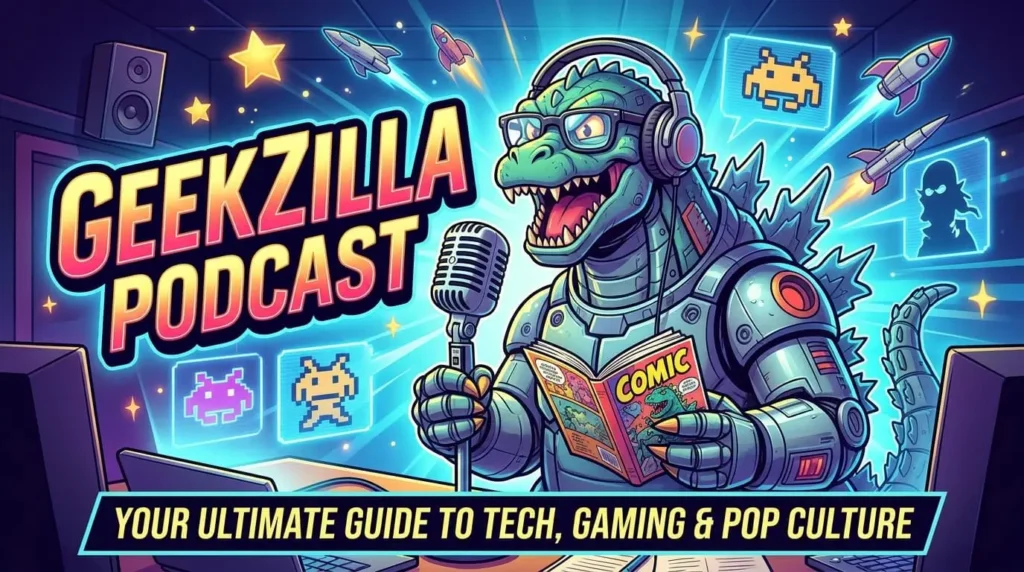
A conversation about a favorite video game can quickly turn into a discussion about technology, storytelling, movies, or the ideas shaping digital entertainment. That is part of the appeal of geek culture: different interests often overlap, giving enthusiasts plenty to explore beyond their favorite hobby. For people discovering Geekzilla Podcast, the central question is what
A conversation about a favorite video game can quickly turn into a discussion about technology, storytelling, movies, or the ideas shaping digital entertainment. That is part of the appeal of geek culture: different interests often overlap, giving enthusiasts plenty to explore beyond their favorite hobby. For people discovering Geekzilla Podcast, the central question is what kind of content it offers and whether its discussions match their interests.
Geekzilla is associated with geek-oriented digital content, including technology and entertainment-related subjects. However, details about a specific podcast’s current hosts, complete episode catalog, launch date, and publishing schedule should not be assumed without confirmation. Understanding this distinction helps readers explore the subject without confusing general brand associations with verified information about individual recordings.
Geekzilla Podcast is an interesting subject for anyone exploring podcasts about technology and entertainment. Its broader thematic context provides an opportunity to examine gaming, digital innovation, popular culture, and the role of audio discussions in connecting people with shared interests.
Geekzilla Podcast: Quick Bio Table
| Fact | Details |
|---|---|
| Name | Geekzilla Podcast |
| Full Name | Geekzilla Podcast is the commonly used name; a separate formal title has not been established. |
| Podcast Category | Geek culture, technology, digital entertainment, and related interests. |
| Main Topics | Technology and other geek-oriented subjects; specific episode topics require confirmation. |
| Hosts | Current host names have not been independently established. |
| Launch Date | A confirmed launch date has not been established. |
| Country of Origin | A definitive country of origin has not been established. |
| Language | The language should be confirmed through the individual recording or podcast listing. |
| Format | Podcast-related programming; the exact format depends on the specific show. |
| Episode Information | Individual titles, release dates, and episode availability should be verified through the relevant catalog. |
| Official Website | A single, independently verified official website for every Geekzilla-branded podcast has not been established. |
| Listening Platforms | Availability on individual podcast platforms should be checked directly. |
| Target Audience | People interested in technology, gaming, entertainment, and geek culture. |
| Notable Features | The broader brand is associated with specialist interests and geek-oriented content. |
| Current Status | The current activity of a particular Geekzilla Podcast feed requires verification. |
Understanding the Identity of Geekzilla Podcast
The name Geekzilla Podcast suggests a program connected to the interests, conversations, and communities that make geek culture distinctive. These interests can include technology, gaming, science fiction, digital entertainment, and other subjects that attract enthusiasts who enjoy exploring details.
Geek culture is not limited to one audience or hobby. Some people are passionate about computer hardware and software, while others prefer video games, comic books, films, or fictional universes. Many enjoy several of these areas simultaneously.
This variety creates opportunities for discussions that move between related subjects. A conversation about gaming hardware might lead to an explanation of graphics technology, while a discussion about a science-fiction story could explore artificial intelligence or the future of digital entertainment.
However, the name alone does not establish the precise editorial direction of a particular Geekzilla Podcast program. Readers should distinguish the wider themes associated with geek culture from topics confirmed through actual episodes.
The most useful way to understand a podcast is to consider its available recordings, descriptions, presentation, and consistency. These details provide a clearer picture of its identity than assumptions based solely on branding.
The Subjects That Make Geek Culture Interesting
Geek culture brings together interests that reward curiosity. Rather than simply consuming entertainment or using technology, enthusiasts often want to understand how things work, why particular creative decisions matter, and what makes a subject worth discussing.
Technology and Digital Innovation
Technology is an important part of geek-oriented media because digital products influence everyday life. Smartphones, computer components, software applications, artificial intelligence, and emerging digital tools all create opportunities for discussion.
A useful technology conversation explains more than the basic features of a product. It examines how those features work, what problems they solve, and where their limitations become apparent.
For example, a discussion about artificial intelligence might explore its practical applications, the importance of checking generated information, and the privacy considerations associated with digital tools.
These subjects can interest both technical professionals and ordinary users. Beginners may appreciate straightforward explanations, while experienced technology enthusiasts may prefer deeper discussions about performance, compatibility, and technical developments.
Geekzilla’s broader association with technology makes this an appropriate area to consider, although the presence of a specific technology topic in its podcast episodes should not be assumed without verification.
Gaming and Interactive Entertainment
Gaming combines technology, creativity, competition, and storytelling. This combination makes it a natural subject for conversations among enthusiasts.
Some listeners want to hear about game mechanics, graphics, performance, and hardware requirements. Others enjoy discussions about characters, memorable missions, multiplayer experiences, and the communities that form around particular games.
Competitive gaming introduces additional subjects, including strategy, teamwork, player development, and esports. Casual players may be more interested in recommendations and the entertainment value of different titles.
A gaming-focused podcast can serve these audiences in different ways. One program might emphasize news and reviews, while another could concentrate on game development or detailed analysis.
Geekzilla gaming conversations should be evaluated according to the content of the actual program rather than an assumed list of gaming topics.
Movies, Television, and Science Fiction
Movies and television provide material for discussions about storytelling, character development, directing, visual effects, and fictional worlds.
Fans frequently enjoy comparing adaptations, examining character motivations, and considering why certain stories remain memorable long after their release.
Science fiction adds another layer by exploring imagined technologies, future societies, space exploration, and questions about human behavior. These stories can inspire thoughtful discussions about real scientific developments, provided that fictional ideas are not confused with established facts.
For example, a conversation about intelligent machines in a science-fiction film might lead to a discussion about present-day artificial intelligence. Such a comparison can be interesting when the differences between fictional portrayals and actual technology are explained clearly.
Entertainment commentary is therefore a relevant part of the wider geek-culture landscape, although individual Geekzilla Podcast episodes should be checked before attributing specific film or television coverage to the program.
Comics, Books, and Fandom
Comics and books attract readers who enjoy detailed storytelling, fictional histories, and imaginative worlds.
A conversation about a superhero character might examine differences between comic-book appearances and screen adaptations. A discussion about a fantasy novel could explore how the author develops a fictional society or creates rules for an imaginary world.
These subjects often encourage extended conversations because fans notice details that casual audiences may overlook. They may compare different interpretations, discuss creative decisions, or consider how a story changes when adapted into another medium.
Books also connect geek culture with history, philosophy, science, and technology. As a result, discussions about fictional stories can sometimes lead to broader conversations about real-world ideas.
Hosts, Presentation, and Conversation Style
A podcast’s presentation can be just as important as its subject. Two programs discussing the same game or technology announcement may offer completely different experiences because of their preparation, communication style, and approach to disagreement.
A complete, verified list of Geekzilla Podcast hosts has not been established here. Specific names, professional backgrounds, and personal achievements should therefore not be attributed to the program without confirmation.
Nevertheless, several characteristics help listeners evaluate any podcast.
The Importance of Knowledge and Preparation
Presenters need to understand their subjects well enough to explain important details without making the conversation unnecessarily complicated.
In a technology discussion, this might involve explaining technical terminology and showing how a feature affects everyday users. In an entertainment discussion, it might mean examining storytelling decisions instead of simply saying whether a movie was enjoyable.
A presenter does not need to know everything about a subject. A willingness to acknowledge uncertainty and explain the limits of available information can make a conversation more trustworthy.
Preparation also helps prevent discussions from becoming repetitive. A clear central question gives participants something meaningful to explore and helps listeners understand the purpose of the episode.
Interviews, Debates, and Informal Discussions
Podcasts use different formats depending on their goals.
Interviews give guests room to explain their experiences and perspectives. Debates allow participants to compare competing arguments. Roundtable discussions encourage several people to exchange opinions, while solo presentations can provide a focused explanation of a particular subject.
Informal conversations may feel more relaxed and entertaining, especially when participants share an interest in the topic. However, an informal tone does not automatically make a program accurate or informative.
When evaluating Geekzilla Podcast, listeners should look at the format of the available recordings rather than assuming every episode follows the same structure.
Geekzilla Podcast Episodes and Listening Experience
A podcast’s listening experience depends on its organization, sound quality, pacing, and ability to keep the discussion relevant.
Because a complete, verified episode catalog has not been established, specific episode titles, publication dates, and durations should not be presented as confirmed information.
Readers can still evaluate the experience by considering a few practical factors.
Choosing the Right Episode
Episode descriptions can help listeners identify recordings that match their interests.
Someone interested in technology might prefer an explanation of a digital product or software development. A gaming enthusiast may look for discussions about game design, while a movie fan might prefer entertainment analysis.
A useful episode description identifies the central subject and gives readers enough context to decide whether the conversation is relevant.
Broad promotional language is less helpful when it does not explain what an individual recording actually covers.
If a complete catalog cannot be located, readers should avoid assuming that every advertised topic corresponds to an available episode.
Audio Quality and Pacing
Clear audio makes conversations easier to follow. Listeners should notice whether speakers are understandable, background noise is distracting, and transitions between participants feel natural.
Pacing matters as well. Some topics benefit from detailed explanations, while others are better suited to shorter discussions.
A long recording is not automatically more valuable than a short one. What matters is whether the time spent listening produces useful information, interesting analysis, or enjoyable entertainment.
Listening During Everyday Activities
One advantage of audio content is its flexibility. People can listen while walking, commuting, exercising, or completing routine tasks that do not require their full attention.
A familiar entertainment discussion may work well as background listening, whereas a detailed explanation of a technical subject might deserve closer concentration.
Listeners should also consider their surroundings. Activities that require attention, such as driving, should never be compromised by trying to follow a complicated discussion.
Checking Episode Availability
A podcast-related webpage does not necessarily mean that a working audio feed is available.
Readers should look for playable recordings, identifiable episode titles, publication dates, and consistent publisher information. These details help establish whether a particular program is accessible and active.
If the available information is incomplete, it is better to acknowledge the uncertainty than to assume that a podcast publishes regularly.
Who Might Enjoy Geekzilla Podcast?
Geekzilla Podcast may appeal to people who enjoy the subjects associated with geek culture. However, different listeners have different expectations, and a program’s suitability depends on its actual content.
Gaming enthusiasts may be interested in discussions about games, interactive entertainment, hardware, and gaming communities. They may prefer specific examples and informed analysis over general reactions.
Technology followers may appreciate explanations of digital products, software, artificial intelligence, and technical developments. Their main interest may be understanding how new tools work and whether they offer practical benefits.
Movies and television fans may enjoy discussions about characters, fictional universes, adaptations, and storytelling. Their preferences may lean toward reviews, entertainment commentary, or deeper analysis of creative decisions.
Readers and pop-culture enthusiasts may enjoy conversations about books, comics, science fiction, and the connections between different forms of entertainment.
Beginners and Experienced Enthusiasts
Beginners usually benefit from explanations of unfamiliar terms and enough background information to understand the conversation. Experienced enthusiasts may prefer detailed analysis and discussions that assume greater familiarity with the subject.
A strong program makes its intended audience clear. It can provide accessible explanations without becoming superficial, or explore technical details without making every discussion difficult to follow.
Readers should try an available episode before deciding whether Geekzilla Podcast matches their preferred level of detail.
How Geek Culture Podcasts Build Their Communities
Podcasts can bring together people who share interests but may not have many opportunities to discuss them in their everyday lives.
A person who enjoys an older video game, a particular science-fiction series, or a specialized technology subject may appreciate finding others who understand the details. Audio discussions can create a common starting point for exchanging ideas and discovering new interests.
This community aspect extends beyond the recording itself. Depending on the creator’s channels, listeners may participate through comments, discussion groups, social media, or audience-submitted questions.
However, those features should be confirmed for each specific program. The existence of a podcast-related brand does not prove that it maintains an active community or regularly interacts with listeners.
Shared Interests and Different Opinions
Geek culture often encourages strong opinions. Fans may disagree about a game, a movie adaptation, a technology product, or the direction of a popular franchise.
These disagreements can make discussions more interesting when participants explain their reasoning and consider alternative perspectives.
A useful conversation does not require everyone to agree. Instead, it allows listeners to understand why different people interpret the same subject differently.
This balance between enthusiasm and thoughtful disagreement is one reason geek-focused discussions can remain engaging even when audiences already know the subject.
Geekzilla Podcast Compared With Other Podcast Formats
Different podcast formats serve different purposes. Understanding those differences can help listeners decide which type of program suits them best.
| Podcast Format | Main Focus | What Listeners May Value |
|---|---|---|
| Technology podcast | Devices, software, and digital developments | Practical explanations and technical insights |
| Gaming podcast | Video games, design, competition, and gaming communities | Game analysis and specialist knowledge |
| Entertainment podcast | Movies, television, and popular culture | Reviews, opinions, and storytelling discussions |
| Interview podcast | Guests and their experiences | Personal insights and detailed explanations |
| General pop-culture podcast | Multiple entertainment subjects | Variety and connections between trends |
| Geek-culture podcast | Specialist interests across technology and entertainment | Curiosity, detailed conversations, and shared interests |
These formats can overlap. A gaming podcast might discuss computer hardware, while an entertainment program may examine the technology behind visual effects.
The main difference is the purpose of the discussion. News-focused programs may prioritize updates, interview shows may concentrate on individual experiences, and geek-culture programs may explore specialist interests in greater depth.
No format is automatically superior. The best option depends on whether someone wants practical information, entertainment, technical explanations, or an opportunity to explore a favorite hobby.
A meaningful comparison involving Geekzilla Podcast should be based on its actual recordings rather than assumed ratings or unsupported claims about popularity.
Finding Episodes and Evaluating the Show
Finding the right podcast requires more than searching for a name. Similar branding can appear across different websites, publishers, and digital programs.
Confirm the Program’s Identity
Start by identifying the publisher associated with the specific recording. Check whether the website links to an audio feed or listening profile and whether the program name matches the listing.
If several websites use similar branding, do not automatically assume they belong to the same organization.
Consistent names, matching descriptions, identifiable publisher details, and links between official channels can help clarify the relationship.
Review Episode Descriptions and Dates
Episode titles and descriptions provide useful information about the program’s focus. Publication dates can also indicate whether a show is active.
A consistent record of recordings may suggest a regular publishing pattern, but readers should not assume a daily, weekly, or monthly schedule without evidence.
An older episode catalog is not necessarily a reason to dismiss a show. Some listeners prefer archived discussions, particularly when exploring gaming history, older technology, or established entertainment franchises.
Distinguish Opinions From Facts
Podcasts often combine personal opinions, factual statements, humor, and speculation.
A presenter’s opinion about a game does not need to be treated as an objective measurement. A claim about a product’s technical capabilities, however, should be supported by a reasonable explanation or reliable evidence.
Listeners should pay particular attention when a discussion involves technology, product performance, industry developments, or unconfirmed entertainment rumors.
Recognizing the difference between opinion and factual reporting helps audiences enjoy a conversation without accepting every statement uncritically.
Evaluate Consistency and Accessibility
Consider whether the recordings are easy to access, the descriptions are understandable, and the audio is comfortable to listen to.
The best podcast for one person may not be the best choice for another. Someone who prefers brief explanations may find lengthy discussions frustrating, while a specialist enthusiast may value the additional detail.
The goal is to identify a program that offers the right balance of subject relevance, presentation, and depth.
The Broader Appeal of Geek Culture Audio Content
Geek-focused audio content gives listeners an opportunity to spend time with subjects they genuinely enjoy.
A discussion about a classic game might explore its original design, the hardware limitations of its era, and the reasons players still remember it. A conversation about a new digital tool might consider its practical applications, weaknesses, and potential influence on everyday life.
These discussions can provide more depth than a brief announcement or a short entertainment review.
Audio also offers flexibility. Listeners can follow a conversation while completing routine activities, making it possible to explore a subject without sitting in front of a screen.
Another important benefit is exposure to different perspectives. A presenter may explain why a particular technology is useful, while another participant points out its limitations. That exchange can help listeners develop a more balanced understanding.
Geek culture is particularly suited to this kind of discussion because its subjects often overlap. Technology connects with gaming, gaming connects with storytelling, and entertainment connects with broader questions about creativity and society.
The value of a podcast ultimately depends on how well it explores those connections and whether listeners find the conversation useful or enjoyable.
What Readers Should Know Before Following Geekzilla Podcast
Before following Geekzilla Podcast, readers should consider several practical questions.
First, does the available content match their interests? A broad association with geek culture does not guarantee that every preferred topic will be covered.
Second, is the audio clear and the discussion easy to follow? These qualities can only be judged by listening to actual recordings.
Third, does the program distinguish factual information from personal opinion? This is especially important for technology discussions and subjects where rumors can spread quickly.
Fourth, is the program currently active? Checking publication dates and available episodes provides a more reliable answer than relying on a general promotional description.
Finally, can the listener identify the publisher and access the recordings through a consistent channel? Confirming these details reduces the risk of confusing similarly named programs.
These checks help readers make an informed decision without relying on unsupported claims about a podcast’s popularity, audience size, or production history.
Frequently Asked Questions About Geekzilla Podcast
What is Geekzilla Podcast?
Geekzilla Podcast is a name associated with geek-oriented digital content and podcast-related programming. The broader subject area includes technology and other specialist interests. The precise identity of a particular audio program should be confirmed through its publisher and available recordings.
What topics does Geekzilla Podcast cover?
The broader GeekZilla identity is associated with technology and geek-oriented subjects. Gaming, entertainment, science fiction, and other pop-culture topics are relevant to this wider landscape, but the subjects covered by individual episodes should be verified.
Who hosts Geekzilla Podcast?
A complete, independently verified list of current hosts has not been established. Readers should check the presenter credits on identifiable episode pages or listen to the recordings rather than relying on unconfirmed names.
Where can listeners find Geekzilla Podcast episodes?
Start by identifying the relevant publisher and checking its podcast-related pages for playable recordings or official listening profiles. Search podcast platforms directly, but confirm that any listing corresponds to the intended program.
Is Geekzilla Podcast focused on technology or entertainment?
The broader GeekZilla identity is associated with technology and wider geek-oriented interests. The balance between technical discussions and entertainment depends on the specific program and should be established through its available episodes.
Who should consider listening to Geekzilla Podcast?
People interested in technology, gaming, digital entertainment, and specialist hobbies may find the subject matter relevant. Whether the program is suitable for beginners or experienced enthusiasts depends on its presentation and level of detail.
How can someone evaluate Geekzilla Podcast before following it?
Check the publisher’s identity, review episode descriptions, examine publication dates, and listen to an available recording. Pay attention to audio quality, factual accuracy, pacing, and how closely the content matches your interests.
Is Geekzilla Podcast suitable for beginners?
It may be suitable if the available episodes explain unfamiliar terminology and provide enough background for new listeners. The brand name alone cannot establish how accessible the discussions are, so trying an episode is the most practical approach.
How often are Geekzilla Podcast episodes released?
A verified publishing schedule has not been established for the specific program discussed here. Check the dates on its actual episode feed to understand its release pattern.
Is Geekzilla Podcast free to listen to?
The cost depends on the specific program and listening service. Check the relevant listing for any subscription requirements or other charges rather than assuming that every Geekzilla-branded program has the same pricing arrangement.
Conclusion
Geekzilla Podcast is a subject worth exploring for readers interested in the wider relationship between geek culture, technology, gaming, and entertainment. The broader GeekZilla identity provides context for these interests, but details about specific hosts, episodes, and publishing schedules should be confirmed before being treated as established facts.
For anyone considering a listen, the next step is simple: identify the relevant program, find an actual recording, check its subject and publication date, and evaluate its presentation and usefulness.
The appeal of geek-focused audio lies in its ability to turn shared interests into thoughtful conversations. Whether someone enjoys digital innovation, gaming, fictional worlds, or entertainment analysis, a suitable podcast can provide an engaging way to explore those subjects. The best way to judge Geekzilla Podcast is to focus on the content that can actually be accessed and decide whether it delivers the experience the listener wants.
For More Visits: Ourmagazine













Leave a Comment
Your email address will not be published. Required fields are marked with *