
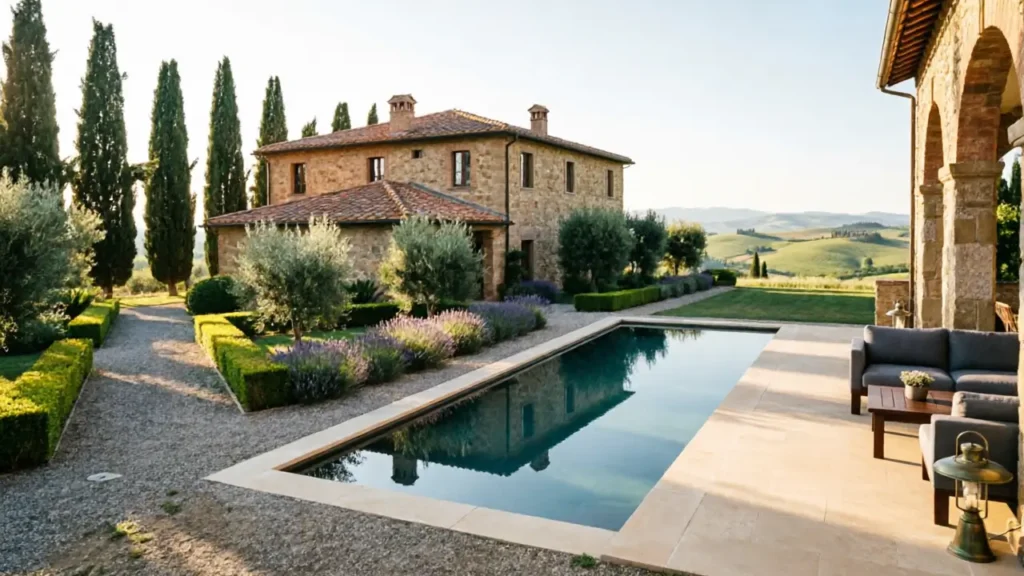
Italy has a way of making a holiday feel personal. A morning might begin with coffee on a stone terrace overlooking the countryside, continue with a visit to a historic village, and end with a long dinner beneath the evening sky. For travelers who want more privacy and flexibility than a conventional hotel can provide,
Italy has a way of making a holiday feel personal. A morning might begin with coffee on a stone terrace overlooking the countryside, continue with a visit to a historic village, and end with a long dinner beneath the evening sky. For travelers who want more privacy and flexibility than a conventional hotel can provide, a private villa can become an important part of the experience rather than simply somewhere to sleep.
The search for luxury villas Italy Le Collectionist reflects this interest in distinctive accommodation, beautiful surroundings, and personalized travel experiences. Le Collectionist offers a collection of holiday homes across several Italian destinations, including Tuscany, Puglia, Sardinia, Sicily, Lake Como, and the Amalfi Coast. Depending on the property and booking arrangement, guests may also be able to arrange additional services that make their stay more convenient.
However, choosing a luxury villa involves more than finding a property with an impressive swimming pool or panoramic views. The destination, bedroom layout, accessibility, available services, seasonal conditions, and total cost all deserve careful consideration. A secluded countryside estate may suit a family gathering, while a coastal villa might be better for travelers who want beach outings and dinners overlooking the Mediterranean.
This guide explores what to consider when comparing luxury villas in Italy through Le Collectionist, how the main destinations differ, which amenities matter most, and how to plan a stay that matches your expectations.
Quick Information Table
| Detail | Information |
|---|---|
| Main keyword | Luxury villas Italy Le Collectionist |
| Accommodation | Private luxury villas and distinctive holiday homes |
| Main destinations | Tuscany, Puglia, Sardinia, Sicily, Lake Como, and the Amalfi Coast |
| Popular features | Private pools, terraces, gardens, scenic views, and spacious living areas |
| Possible extra services | Private chefs, transfers, grocery delivery, childcare, and wellness treatments, subject to availability |
| Suitable for | Couples, families, groups of friends, and multigenerational holidays |
| Best travel period | Depends on the destination, preferred weather, activities, and budget |
| Main booking considerations | Dates, location, property layout, service fees, transport, and cancellation terms |
| Booking approach | Compare properties and confirm the complete cost before committing |
| Website | OurMagazine.blog |
What Are Luxury Villas Italy Le Collectionist?
Luxury villas Italy Le Collectionist describes the experience of exploring high-end holiday homes in Italy through Le Collectionist, a provider specializing in distinctive vacation properties and personalized stays.
Unlike a standard hotel booking, a villa reservation generally gives guests access to an entire private residence for the agreed rental period. Depending on the property, that residence might include multiple bedrooms, generous living spaces, a kitchen, outdoor dining areas, landscaped gardens, and a swimming pool.
The appeal is the freedom to organize a holiday around personal preferences. Guests can enjoy breakfast together, spend an afternoon relaxing outdoors, prepare meals when they wish, or arrange excursions without needing to coordinate every activity around hotel facilities.
The collection is not limited to one architectural style or setting. Some properties reflect the character of traditional Italian farmhouses, while others emphasize contemporary interiors, coastal views, historic details, or expansive outdoor spaces. This variety makes it important to evaluate each property individually rather than assuming that every villa provides the same experience.
Le Collectionist also offers different levels of property and service arrangements. Travelers should read the individual listing and confirm exactly what is included in their booking. Concierge assistance may help with planning and additional arrangements, but optional services can carry separate costs.
The real value of a villa depends on how well its location, layout, facilities, and service options match the purpose of the trip.
Why Choose a Private Villa Instead of a Hotel?
More space for spending time together
One of the clearest advantages of a private villa is the opportunity for a group to share a home rather than occupy separate hotel rooms. Living rooms, dining areas, gardens, and terraces provide places where everyone can gather naturally.
This arrangement can work particularly well for families celebrating a milestone, friends traveling together, or relatives meeting from different countries. Guests can enjoy communal meals and activities while retaining their own bedrooms and personal space.
The layout matters more than the headline guest capacity. A villa may accommodate a large group on paper, but the actual bedroom arrangements, number of bathrooms, and size of the shared areas determine whether it feels comfortable.
Before booking, review the sleeping configuration and ask questions about any rooms that use sofa beds, share bathrooms, or sit apart from the main house.
Privacy and a more flexible routine
Hotels operate around shared facilities, service schedules, and public spaces. A private villa provides a different environment in which guests can establish their own routine.
Travelers might spend a slow morning beside the pool, enjoy lunch at home, and head into a nearby town in the evening. Others may prefer to arrange activities every day and return to the villa for dinner.
This flexibility is particularly valuable for groups with different preferences. Some guests can relax at the property while others explore the surrounding area.
Privacy still depends on the property’s setting. Neighboring homes, shared access roads, staff visits, and the position of outdoor areas can influence how secluded a villa feels. Read the listing carefully if privacy is one of your main priorities.
A closer connection to the destination
Staying in a residential property can offer a different perspective on an Italian region. A countryside villa may encourage guests to shop at local markets, explore nearby villages, and enjoy regional ingredients. A coastal home may make beach outings and seaside dining a central part of the holiday.
The accommodation becomes part of the travel experience instead of merely serving as a base for sightseeing.
However, a more secluded setting may require additional transport planning. Travelers should balance the desire for privacy with practical access to restaurants, shops, beaches, and cultural attractions.
Services that can simplify the trip
Some travelers enjoy organizing every detail independently, while others appreciate assistance with meals, transfers, and activities. Depending on the property and arrangement, concierge services may help guests organize private chefs, grocery delivery, babysitting, wellness treatments, boat trips, or local experiences.
The important point is to establish what is available before booking. Not every service is automatically included in the accommodation price, and some arrangements require advance notice.
A clear discussion about costs, timing, and availability can help guests decide whether additional support offers enough value for their trip.
The Best Italian Destinations for a Luxury Villa Holiday
Italy offers several distinct settings for a private villa stay. The right region depends on whether you prefer countryside scenery, coastal relaxation, historic towns, lakeside views, or a mixture of experiences.
Tuscany: Countryside elegance and historic towns
Tuscany is a natural choice for travelers who imagine Italy as a landscape of rolling hills, vineyards, olive groves, and historic stone buildings.
A countryside villa can provide a peaceful base for long breakfasts, outdoor meals, and afternoons spent enjoying the grounds. Traditional architecture may give a property a strong regional identity, while modern kitchens, comfortable bedrooms, and swimming pools can make an extended stay more convenient.
The region also offers opportunities to explore historic towns, cultural attractions, and food traditions. Depending on the villa’s location, guests may plan visits to Florence, Siena, or smaller communities throughout the countryside.
Location deserves particular attention. A villa near a major town offers different advantages from a secluded estate surrounded by farmland. Travelers who want to explore frequently may prefer a property that limits driving time, while those seeking a quieter retreat may welcome a more remote setting.
When comparing Tuscan villas, consider road access, parking, the distance to restaurants, and whether a car is necessary. Outdoor dining, shaded seating, a well-equipped kitchen, and a comfortable pool area can be especially valuable when the property itself is a major part of the holiday.
Puglia: Traditional architecture and relaxed southern living
Puglia offers a distinctive combination of whitewashed towns, olive groves, rural landscapes, and Mediterranean coastlines. Some holiday properties occupy restored masserie, traditional rural estates that may combine historic architectural details with contemporary amenities.
This region can suit travelers who want a slower pace and a strong connection to local food and village life. Days might include a visit to a nearby town, lunch at a regional restaurant, or an afternoon relaxing in the garden.
The architectural character of a property can be an important part of its appeal. Stone walls, shaded courtyards, and outdoor dining areas may create an atmosphere that feels connected to the surrounding landscape.
Nevertheless, rural properties can be inconvenient for guests who expect to walk everywhere. Check the distance to shops, restaurants, beaches, and transport options before making a decision.
For summer stays, also review the availability of air conditioning, shaded outdoor spaces, and pool facilities. These practical details can have a greater impact on comfort than decorative features alone.
Sardinia: Coastal scenery and beach-focused holidays
Sardinia appeals to travelers who want to make the sea a central part of their holiday. Depending on the area, guests may find beautiful coastal landscapes, sandy beaches, rocky coves, and opportunities for boating.
A villa with a sea view can create an attractive setting for relaxed mornings and outdoor dinners. However, a view of the water does not necessarily mean the beach is easy to reach on foot.
Some properties sit above the coast or require a drive to reach swimming areas. Travelers should confirm the actual route to the beach, parking availability, and whether the surrounding roads are practical for their group.
For families, pool safety and convenient access to everyday essentials may be important. Groups of friends might prioritize outdoor dining, spacious communal areas, and enough bathrooms to avoid inconvenience.
Guests who plan to explore multiple beaches should consider renting a car or arranging transport. Those who prefer to remain at the villa can focus on properties with comfortable outdoor spaces and facilities that make relaxing at home enjoyable.
Sicily: Culture, cuisine, and diverse landscapes
Sicily offers a broad range of experiences, including historic towns, coastal scenery, regional cuisine, archaeological sites, and volcanic landscapes.
A private villa can provide a comfortable base for travelers who want to combine cultural visits with time spent relaxing at home. The best location depends on the type of holiday being planned, since Sicily is large and journeys between different areas can take considerable time.
Travelers interested in exploring historic towns may prefer a property with convenient road access. Those prioritizing swimming and coastal relaxation may look for a home near the sea, while visitors planning several excursions should consider how far they will need to travel each day.
When choosing a villa, check the property’s facilities, local dining options, parking, and access to the places you most want to visit. A beautiful home is less convenient if every outing requires a lengthy drive.
A balanced itinerary can combine a few carefully selected excursions with unplanned afternoons at the property, allowing guests to experience the region without making the holiday feel rushed.
Lake Como: Lakeside views and elegant surroundings
Lake Como is known for its dramatic mountain scenery, lakeside settlements, and historic villas. It can suit travelers seeking a scenic holiday with opportunities for dining, sightseeing, and time spent on the water.
A property overlooking the lake may offer an attractive backdrop for relaxed mornings and evening meals. Some homes emphasize gardens and terraces, while others place greater importance on proximity to village centers or transport connections.
The lake’s geography makes location especially important. Roads can be winding, and journeys between settlements may take longer than expected. Ferry services can be useful for some journeys, but schedules should be checked before planning the entire itinerary around them.
Ask whether the villa has convenient parking, how far it is from the waterfront, and whether the route involves steep paths or stairs. A property with an elevated view may offer beautiful scenery but require more effort to reach nearby restaurants or transport.
Lake Como is worth considering for travelers who prefer lakeside relaxation and cultural outings over a conventional beach holiday.
The Amalfi Coast: Dramatic views and Mediterranean charm
The Amalfi Coast is an appealing destination for guests drawn to steep coastal scenery, colorful villages, sea views, and restaurants overlooking the water.
A villa can provide a private base from which to explore the coastline while offering space to relax between excursions. Terraces and outdoor dining areas can be particularly valuable because they allow guests to enjoy the scenery without leaving the property.
The region’s landscape also presents practical challenges. Roads can be narrow and busy, parking may be limited, and many routes involve steps or steep slopes. A property that appears close to a village on a map may not be easy to reach on foot.
Before booking, ask about parking, transfer arrangements, beach access, and the most convenient routes to nearby towns. Travelers with young children, older relatives, or mobility considerations should examine access details closely.
The Amalfi Coast often works best when the itinerary includes time for relaxed meals, scenic outings, and unhurried afternoons rather than trying to visit every attraction in a few days.
Essential Features to Check Before Booking
A villa’s photographs can create a strong first impression, but the practical details determine whether it is suitable for your group.
Bedrooms and bathrooms
Start by checking the exact sleeping arrangements. The number of bedrooms alone does not explain whether rooms contain double beds, twin beds, or additional sleeping options.
Ask whether bathrooms are private or shared and whether bedrooms are spread across multiple floors. This is especially important for multigenerational groups and families traveling with children.
A property that accommodates everyone comfortably can be more valuable than a larger home with an inconvenient layout.
Swimming pool and outdoor spaces
A private pool may be one of the main reasons for choosing a villa, particularly during warmer months. Confirm whether it is available throughout your stay, whether heating is offered, and whether any additional charges apply.
Families should ask about safety barriers, covers, shallow sections, and supervision requirements. Never assume a pool is child-safe simply because the property is marketed toward families.
Also consider shaded seating, outdoor showers, loungers, and the size of the dining terrace. These spaces can become central to daily life during a villa holiday.
Air conditioning and heating
Climate control is particularly important when traveling during hot summer periods or visiting outside the warmest months.
Older properties may have thick stone walls and traditional architecture, but that does not guarantee that every bedroom has air conditioning. Ask which rooms have cooling and whether heating is available throughout the house.
Guests planning to work remotely should also confirm internet access and whether the connection is suitable for their needs.
Kitchen and dining facilities
A villa can provide greater flexibility around meals, whether guests prefer preparing breakfast, cooking local ingredients, or arranging a private chef for selected evenings.
Check whether the kitchen has the appliances and equipment your group needs. If you intend to cook regularly, refrigerator space, cooking facilities, and a dishwasher may be important.
If you expect to dine out most evenings, proximity to restaurants and the availability of transport may matter more than an elaborate kitchen.
Accessibility and privacy
Properties built into hillsides or converted from historic buildings may contain stairs, uneven surfaces, and several levels. Travelers with mobility needs should ask about entrances, bedroom access, bathrooms, and the distance between parking and the main living areas.
Privacy also deserves attention. Ask whether neighboring homes overlook the garden or pool, whether the property shares access with another residence, and whether staff may visit during the stay.
Clear answers help ensure that the villa matches your expectations before arrival.
How Much Do Luxury Villas in Italy Cost?
There is no single price for luxury villas in Italy. Rates vary according to the destination, property size, travel dates, amenities, and demand. A smaller home for a couple or family will generally have a different price structure from a large estate designed for a group.
The best approach is to compare properties for the same dates and a similar number of guests. This creates a more meaningful picture of value than comparing headline prices from unrelated listings.
Look beyond the nightly or weekly rate
The accommodation price may not represent the full cost of the holiday. Depending on the booking terms, additional expenses can include cleaning fees, local taxes, security deposits, pool heating, extra housekeeping, transport, and optional services.
Request a written breakdown before confirming your reservation. Clarify which charges are mandatory, which services are optional, and when payments are due.
A villa that appears more expensive initially may provide better value if it offers enough bedrooms for everyone and is conveniently located. A cheaper property may create additional transport expenses or require more planning.
Calculate the cost per person
For group travel, dividing the accommodation cost by the number of guests can help compare options.
For example, imagine a hypothetical seven-night villa rental costing €14,000 for eight guests. The accommodation would cost €1,750 per person for the week, before additional expenses.
This calculation is only a budgeting example, not a quoted rate for a particular property. Actual prices depend on the home and booking dates.
The goal is to understand what each guest will pay and whether the accommodation provides the space, privacy, and facilities the group needs.
Consider flexible travel dates
Popular destinations can become competitive during peak summer periods and major holiday weeks. If your schedule allows flexibility, compare different dates and consider traveling during the shoulder seasons.
Spring and early autumn may appeal to travelers who prefer milder conditions and a different pace. However, weather, local opening schedules, and property availability vary by region.
Book early when your group needs a specific number of bedrooms or particular facilities. For large family gatherings, advance planning also provides more time to coordinate budgets and transport.
How to Plan a Smooth Luxury Villa Holiday
Decide what matters most
Before searching, agree on the purpose of the trip. A family reunion, romantic escape, beach holiday, and celebration with friends each require different priorities.
A family group may need a practical layout and outdoor space. A couple may value privacy and views, while a group of friends may prioritize common areas and access to restaurants.
Identify a few non-negotiable requirements and use them to narrow the selection. This can prevent you from paying extra for facilities that will have little effect on your experience.
Plan transport before confirming the property
The most convenient airport or train station depends on the villa’s location. A countryside property may require a rental car, while a home near a town or transport connection may be easier to reach without one.
Check the journey from your arrival point, including likely travel time, parking, and transfer costs. If guests are arriving separately, confirm whether different transfers can be arranged.
Transport planning is particularly important in rural areas and along steep coastlines, where a short distance on a map may not translate into a quick journey.
Arrange additional services early
If you want a private chef, babysitter, grocery delivery, or boat excursion, discuss it during the booking process.
Explain your group’s needs clearly, including dietary preferences, children’s ages, desired schedules, and any accessibility requirements. Ask which arrangements can be confirmed in advance and which depend on availability.
For every paid service, clarify the price and what is included. For example, a chef’s quotation may treat ingredients, drinks, staffing, and cleanup separately.
Written confirmation can help prevent misunderstandings.
Keep the itinerary flexible
One advantage of a villa holiday is the opportunity to spend time at the property itself. An itinerary that includes an excursion every morning and evening can leave little room to enjoy the accommodation.
Choose a few experiences that matter most and allow space for relaxed meals, pool time, and unplanned discoveries.
In Tuscany, this might mean visiting a nearby town before returning for dinner at the villa. On the coast, it could involve a boat outing followed by a quiet afternoon at home.
The best balance depends on the destination and your group’s preferences.
Read the booking conditions
Before paying, confirm the dates, occupancy limit, payment schedule, cancellation terms, check-in arrangements, and house rules.
Ask about the security deposit and the conditions under which deductions may be made. If you plan to host a celebration, confirm that the property’s rules permit it.
Keep written confirmation of any additional services and special requests. Knowing whom to contact if a maintenance issue arises can also make the stay easier.
Who Can Benefit Most From a Luxury Villa in Italy?
Families and multigenerational groups
A private villa can help several generations spend time together while maintaining separate sleeping spaces. Shared living rooms and outdoor dining areas create opportunities to gather, while individual bedrooms offer privacy.
Families should focus on layout, pool safety, accessibility, and the distance to everyday essentials. A home that suits the youngest and oldest members of the group can make the entire trip more comfortable.
Couples seeking a private escape
Couples may prefer a smaller home with a secluded terrace, attractive views, and convenient access to restaurants or scenic walks.
A large estate is not always necessary. The better choice is a property that matches the intended pace of the trip, whether that means exploring local towns or spending most of the day relaxing.
Groups of friends
A villa can provide a shared setting for reunions, birthdays, or a holiday with friends. Guests can enjoy common areas while maintaining their own bedrooms and routines.
Discuss the budget and cost-sharing arrangements before booking. Also check whether bedrooms and bathrooms are distributed fairly for the group, particularly if guests have different expectations about privacy.
Travelers who value concierge assistance
Some travelers enjoy planning every detail themselves, while others appreciate help arranging transfers, meals, and experiences.
A villa provider with concierge support may be useful when the group has a complicated itinerary or is unfamiliar with the destination. However, the value depends on the actual services available and their costs.
Confirm the level of assistance included in your booking rather than assuming every request will be covered.
When Is the Best Time to Visit Italy?
Spring: A season for exploring
Spring can be attractive for countryside scenery, cultural visits, and outdoor dining. Temperatures differ across regions, so check conditions for the specific destination and dates.
If a swimming pool is central to your plans, confirm that it will be open and whether heating is available.
Summer: Coastal living and outdoor relaxation
Summer suits travelers who want beach outings, warm weather, and long evenings outdoors. It can be particularly appealing in Sardinia, Sicily, Puglia, and along the Amalfi Coast.
The trade-off is that popular destinations can be busier and accommodation may be more expensive. Confirm air conditioning, shade, parking, and beach access before booking.
Autumn: Food and a slower pace
Autumn can be rewarding for countryside stays, local food experiences, and cultural exploration. Coastal areas may remain attractive, although weather and seasonal opening hours vary.
Check that restaurants, activities, and transport services you intend to use will be operating during your stay.
Winter: A quieter alternative
Winter can suit travelers interested in cities, culture, and a quieter atmosphere rather than a traditional beach holiday.
Before booking a villa, confirm heating, property availability, and access to restaurants and transport. A home designed primarily for summer may offer a different experience during colder months.
Common Mistakes to Avoid
Choosing based only on photographs. Beautiful images do not reveal every practical detail. Review the full property description and ask questions about anything important.
Underestimating travel distances. Rural homes and coastal properties may be farther from shops, restaurants, or transport than expected. Check the location carefully.
Assuming services are included. Private chefs, transfers, pool heating, and extra housekeeping may cost more. Ask for a clear breakdown.
Ignoring bedroom arrangements. Confirm bed types, bathrooms, and room locations instead of relying only on the stated guest capacity.
Overlooking seasonal conditions. Weather, pool availability, and local services can change throughout the year. Verify what will be available during your dates.
Forgetting additional expenses. Include transport, meals, activities, taxes, and optional services when calculating the overall budget.
Planning too many activities. Leave time to enjoy the villa itself instead of treating it only as a place to sleep.
Frequently Asked Questions
1. What does luxury villas Italy Le Collectionist mean?
The phrase refers to luxury holiday homes in Italy available through Le Collectionist. Travelers can explore different destinations, compare properties, and investigate the services available for their preferred dates.
2. Which destinations can travelers explore?
The Italian collection includes destinations such as Tuscany, Puglia, Sardinia, Sicily, Lake Como, and the Amalfi Coast. The available properties may change, so travelers should check current listings before choosing a location.
3. How much does a luxury villa in Italy cost?
Prices depend on the property, destination, dates, number of guests, and facilities. Additional services and fees can increase the total. Request a quotation for your exact travel dates to establish the cost.
4. Do the villas have private swimming pools?
Some properties offer private pools, but facilities differ. Check the individual listing to confirm pool access, availability, heating arrangements, and any additional charges.
5. Can guests arrange a private chef?
Private chef services may be available, depending on the property and destination. Confirm availability, menus, costs, and whether ingredients and other expenses are included.
6. Are these villas suitable for families?
Many villas can suit family holidays, but the layout and facilities matter. Check sleeping arrangements, pool safety, stairs, accessibility, and proximity to essential services.
7. Is a rental car necessary?
A car can be useful for rural properties and destinations where attractions are spread out. A villa near a town or transport connection may be easier to access without one. Decide based on the property’s location and planned activities.
8. When should a villa be booked?
For popular destinations and peak summer dates, booking early provides more choice. Travelers with flexible schedules can compare different weeks and consider shoulder-season travel.
9. What should travelers confirm before paying?
Confirm the full price, occupancy limit, bedroom configuration, included amenities, additional service fees, payment deadlines, cancellation conditions, and check-in arrangements.
10. How should travelers choose between Tuscany and the Amalfi Coast?
Tuscany may suit travelers who prefer countryside scenery, historic towns, and vineyard visits. The Amalfi Coast may appeal to those seeking dramatic coastal views, seaside villages, and boat outings. Choose according to the group’s interests, transport needs, and preferred pace.
Conclusion
Choosing a luxury villa in Italy through Le Collectionist begins with understanding what you want from the holiday. The right property is not necessarily the largest or most expensive. It is the one that brings together a suitable location, comfortable accommodation, useful facilities, and services that fit your expectations.
Tuscany offers countryside scenery and historic towns, while Puglia brings traditional architecture and a relaxed southern atmosphere. Sardinia is attractive for beach-focused holidays, Sicily combines culture and varied landscapes, Lake Como offers lakeside surroundings, and the Amalfi Coast provides dramatic coastal scenery. Each destination has a different character, so the decision should reflect the kind of experience you want to create.
Privacy, bedroom arrangements, pool facilities, accessibility, and transport deserve as much attention as the property’s appearance. Understanding the complete cost is equally important. Compare mandatory charges and optional services, confirm the booking conditions, and make sure the accommodation suits everyone in your group.
A successful villa holiday also leaves room for spontaneity. There should be time to explore local towns, enjoy regional food, relax outdoors, and spend unhurried moments together. By choosing carefully and setting realistic expectations, travelers can find a property that complements their plans and makes their Italian escape feel genuinely personal.
For More Visits: Ourmagazine

















Leave a Comment
Your email address will not be published. Required fields are marked with *